pierce aerial ladder operations manual
Piercing Aerial Ladder Operations Manual: A Comprehensive Plan
This manual details safe‚ effective procedures for utilizing aerial ladders during piercing operations‚ emphasizing firefighter safety and operational efficiency. It’s a vital resource.
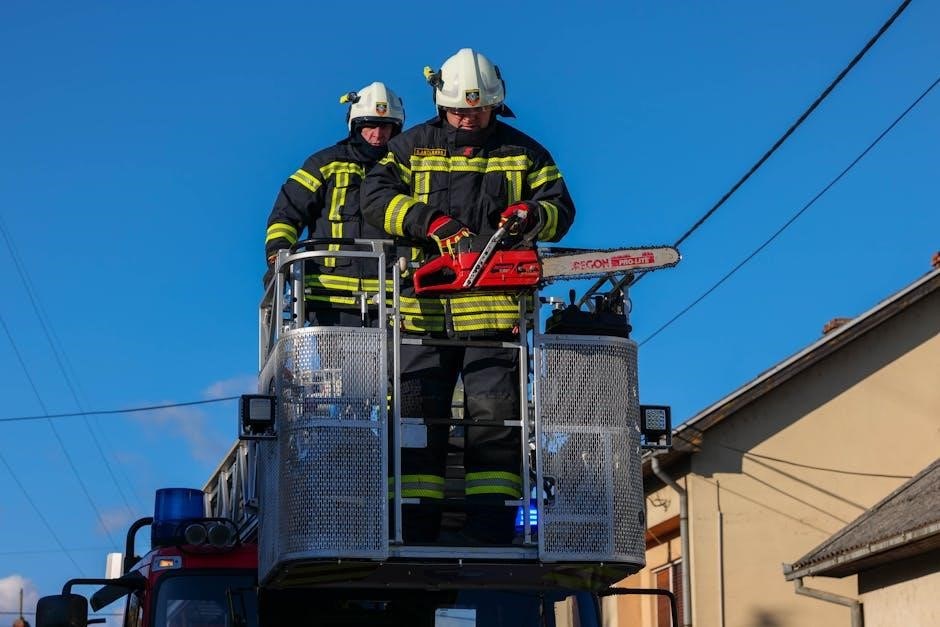
Piercing operations‚ employing aerial ladders‚ represent a critical firefighting tactic for gaining access to concealed fire areas within structures. This manual serves as a definitive guide for personnel tasked with these complex and inherently dangerous operations. It acknowledges the significant risks involved and prioritizes standardized procedures to mitigate those risks effectively.
Successful piercing relies on a thorough understanding of fire behavior‚ structural integrity‚ and the capabilities – and limitations – of the aerial apparatus. This document aims to bridge the gap between theoretical knowledge and practical application‚ providing clear‚ concise instructions for each phase of the operation.
Furthermore‚ this manual emphasizes the importance of coordinated teamwork‚ constant communication‚ and diligent adherence to safety protocols. It is designed for all levels of experience‚ from newly assigned firefighters to seasoned officers‚ ensuring a consistent and safe approach to piercing aerial ladder operations across the department. Regular review and practical drills are essential for maintaining proficiency.
Purpose of this Manual
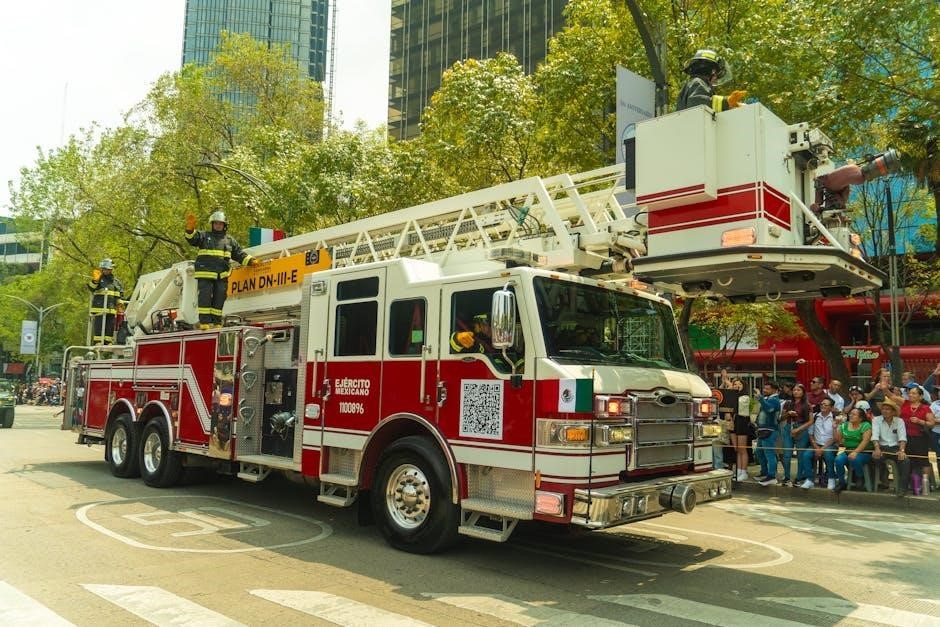
The primary purpose of this manual is to establish a standardized set of operating guidelines for all piercing aerial ladder operations within our jurisdiction. It aims to minimize firefighter risk‚ maximize operational effectiveness‚ and ensure consistent performance during these challenging incidents; By providing detailed procedures and safety protocols‚ we strive to reduce the potential for accidents and injuries.
This document serves as a crucial training resource for all personnel involved‚ fostering a shared understanding of best practices. It’s intended to supplement‚ not replace‚ existing fire training programs‚ and should be used in conjunction with practical drills and scenario-based exercises.
Moreover‚ this manual facilitates clear communication between team members‚ incident commanders‚ and supporting agencies. It provides a common language and framework for discussing and executing piercing operations‚ ultimately enhancing overall situational awareness and improving fireground safety. Regular updates will reflect evolving tactics and technology.
Scope and Applicability
This manual’s scope encompasses all fire department personnel authorized to operate and support aerial ladder operations specifically employed in piercing roof structures for ventilation or fire suppression purposes. It applies to all departmental aerial ladder apparatus‚ regardless of manufacturer or model‚ though specific apparatus features will be addressed in Section II.
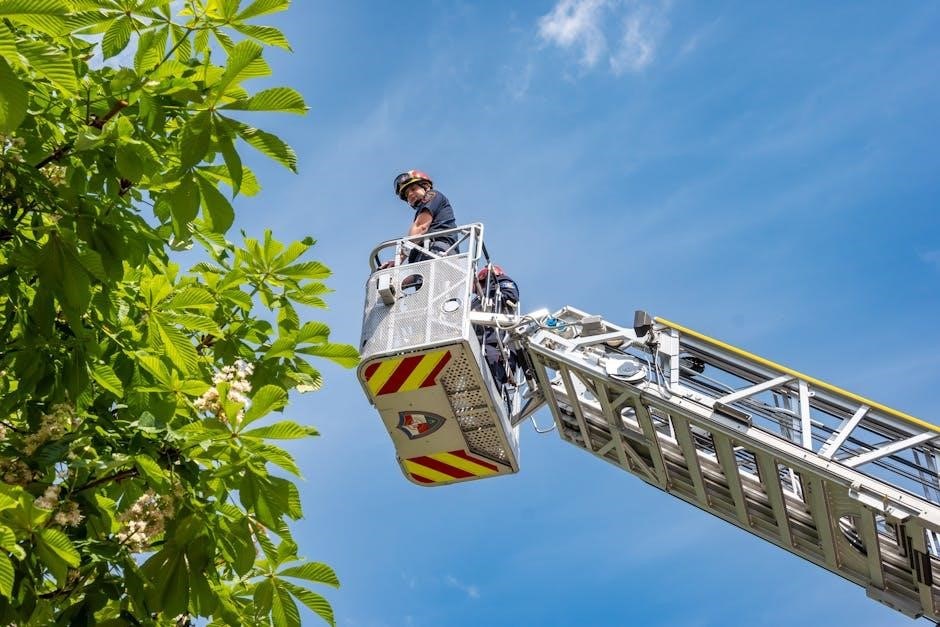
The procedures outlined herein are applicable to both training exercises and live fire incidents. All personnel must demonstrate competency in these procedures prior to participating in actual piercing operations; This includes a thorough understanding of safety protocols‚ operational techniques‚ and equipment limitations.
This manual is intended for use within our department’s operational boundaries. When operating in mutual aid situations‚ personnel should be aware of and adhere to the host agency’s policies and procedures‚ while still maintaining the core safety principles outlined in this document. Any deviations must be approved by the Incident Commander.
Definitions and Terminology
Piercing Operation: The controlled creation of an opening in a roof structure using an aerial ladder’s waterway to facilitate ventilation or fire suppression.
Aerial Ladder: A hydraulically or mechanically extended ladder mounted on a fire apparatus‚ capable of reaching elevated areas.
Waterway: The internal passage within the aerial ladder through which water is delivered to the nozzle.
Nozzle Reaction: The force exerted on the nozzle operator due to the water stream’s momentum.
Outriggers: Extendable supports deployed to stabilize the aerial apparatus during operations.
Stabilization Zone: The area surrounding the apparatus requiring clearance for safe operation.
Thermal Imaging Camera (TIC): A device used to detect heat signatures and visualize fire conditions.
Incident Commander (IC): The individual responsible for overall incident management.
Reach: The maximum horizontal distance the aerial ladder can extend.
II. Aerial Ladder Apparatus Familiarization
Comprehensive understanding of the aerial ladder apparatus is paramount for safe and effective operations. This section focuses on detailed component identification‚ including the ladder itself‚ turntable‚ outriggers‚ and control stations.
We will explore the operational systems – hydraulic‚ electrical‚ and stabilization – detailing their functions and interdependencies. Familiarity with the hydraulic system’s pressure gauges and fluid levels is crucial. Understanding the electrical system’s controls and safety features is equally important;
A thorough review of safety features and interlocks will be conducted. These include boom interlocks‚ outrigger sensors‚ and emergency shut-off mechanisms. Knowing how these systems prevent unintended movements and protect personnel is vital. Regular training and practical exercises are essential to reinforce this knowledge.
Component Identification
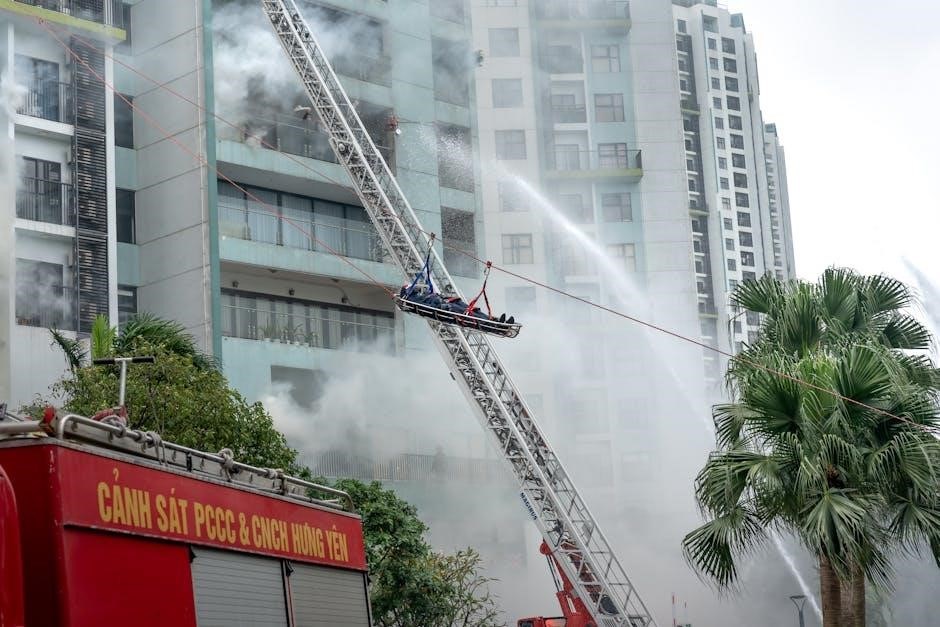
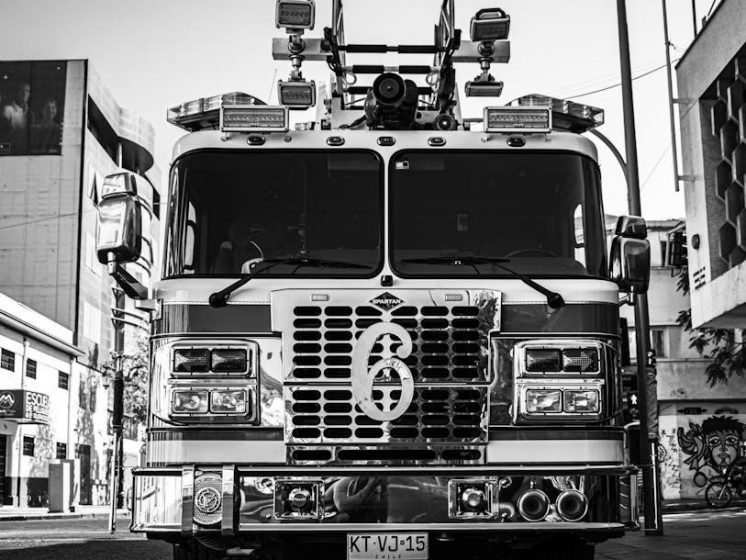
The aerial ladder apparatus comprises several key components‚ each vital to safe operation. These include the ladder itself – constructed of aluminum alloy or steel – with varying sections and extension capabilities. The turntable allows 360-degree rotation and supports the ladder’s weight.
Outriggers‚ typically four in number‚ provide stabilization during elevated operations. Control stations‚ both local and remote‚ manage ladder movement and water flow. Hydraulic cylinders power ladder extension and rotation‚ while the electrical system controls lights‚ sirens‚ and interlocks.
Additional components include the waterway system – piping‚ valves‚ and nozzles – for delivering water to the ladder tip. Level indicators and pressure gauges monitor system performance. Familiarization with each component’s location‚ function‚ and limitations is essential for all operators. Detailed diagrams and hands-on training will be provided.
Operational Systems Overview (Hydraulic‚ Electrical‚ Stabilization)
The aerial ladder’s functionality relies on three interconnected systems: hydraulic‚ electrical‚ and stabilization; The hydraulic system‚ powered by a pump‚ provides the force for ladder extension‚ retraction‚ and elevation. Regular fluid level checks and leak inspections are crucial.
The electrical system powers controls‚ lights‚ and safety interlocks. It includes a generator or shore power connection and requires careful monitoring to prevent overloads. The stabilization system‚ utilizing outriggers‚ ensures apparatus stability during operations.
Proper outrigger deployment and leveling are paramount. Interlocks prevent operation if outriggers aren’t fully engaged. These systems are interdependent; a failure in one can affect the others. Comprehensive understanding of each system’s operation‚ maintenance‚ and troubleshooting procedures is vital for safe and effective aerial operations.
Safety Features and Interlocks
Aerial ladders are equipped with numerous safety features and interlocks designed to prevent accidents and ensure operator safety. These include boom interlocks preventing over-extension or retraction‚ and angle interlocks limiting the ladder’s elevation to prevent tipping.
Outrigger interlocks disable aerial operation unless fully deployed and leveled. Emergency stop buttons immediately halt all movement; Load sensing systems monitor weight capacity‚ preventing overloading. Visual and audible alarms alert operators to potential hazards.
Regular testing of these systems is critical. Operators must understand the function of each interlock and never attempt to override them. Proper maintenance and documentation of interlock functionality are essential. Ignoring these safety features significantly increases the risk of apparatus instability‚ structural failure‚ or personnel injury during piercing operations.
III. Pre-Operational Checks & Maintenance
Consistent pre-operational checks and diligent maintenance are paramount for ensuring the reliable and safe operation of the aerial ladder. These procedures minimize the risk of mechanical failure during critical piercing operations‚ safeguarding both firefighters and the public.
A comprehensive inspection should occur before every shift‚ verifying hydraulic fluid levels‚ electrical connections‚ and the functionality of all safety interlocks. Regular lubrication of moving parts prevents corrosion and ensures smooth operation. Detailed records of all maintenance activities must be maintained.
Scheduled maintenance‚ adhering to manufacturer specifications‚ is crucial. This includes thorough inspections of the boom‚ outriggers‚ and all associated hardware. Addressing minor issues promptly prevents them from escalating into major‚ potentially catastrophic‚ failures during emergency incidents. Prioritize preventative maintenance!
Daily Apparatus Inspection Checklist
The Daily Apparatus Inspection Checklist is a critical component of ensuring operational readiness. This checklist must be completed and signed off by qualified personnel before each shift. It covers essential systems vital for safe piercing operations.
Key Inspection Points Include: Hydraulic fluid levels (reservoir & lines)‚ outrigger stability & locking mechanisms‚ boom operation (full range of motion‚ smooth operation)‚ aerial ladder controls (responsive & accurate)‚ safety interlocks (proper function)‚ and all warning lights/signals. Tire pressure and condition are also vital.
Inspect all hoses for leaks‚ cracks‚ or abrasions. Verify the functionality of the emergency lowering system. Confirm the presence and condition of all required tools and equipment (e.g.‚ spanners‚ wrenches‚ communication devices). Document any discrepancies immediately and report them for repair. A completed checklist demonstrates due diligence.
Weekly/Monthly Maintenance Procedures
Beyond daily checks‚ weekly and monthly maintenance procedures are crucial for long-term reliability and safety of the aerial ladder apparatus. Weekly tasks include a thorough inspection of all hydraulic lines and fittings for wear‚ corrosion‚ or leaks‚ alongside lubrication of all moving parts as specified by the manufacturer.
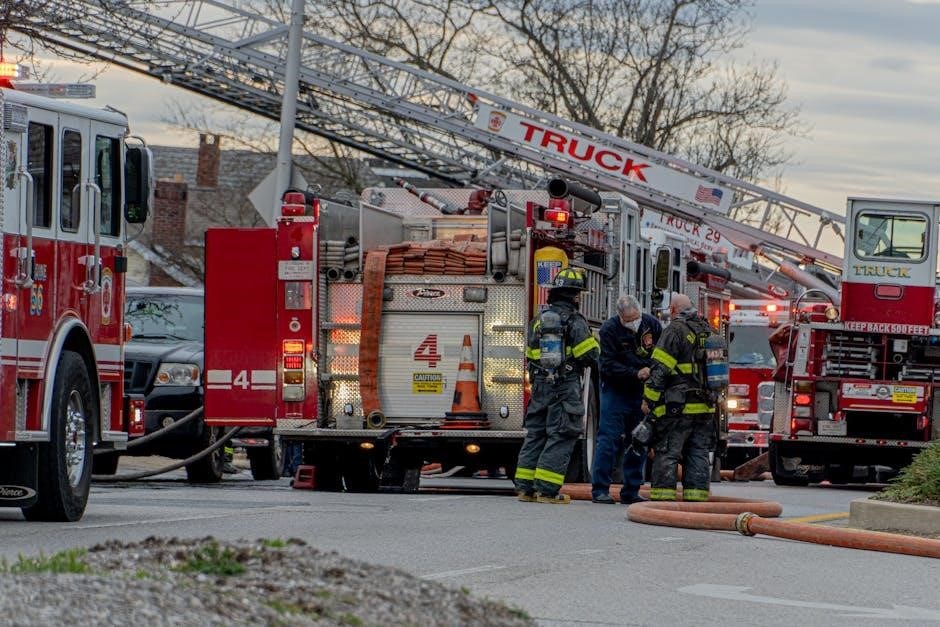
Monthly procedures demand a more in-depth examination. This encompasses checking and adjusting boom angles‚ inspecting and testing the emergency lowering system under load‚ and verifying the calibration of all pressure gauges. Outrigger pads should be inspected for damage and replaced if necessary.
Detailed records of all maintenance performed must be maintained‚ including dates‚ descriptions of work completed‚ and the identity of the technician. Adherence to the manufacturer’s recommended maintenance schedule is paramount for preventing failures and ensuring optimal performance during critical piercing operations.
Aerial Ladder Specific Inspection Points
Dedicated inspection points for the aerial ladder itself are vital‚ exceeding standard apparatus checks. Examine all ladder sections for structural damage – dents‚ cracks‚ or corrosion – paying close attention to weld points and pivot areas. Inspect the boom’s telescoping mechanisms for smooth operation and proper extension/retraction.
Verify the functionality of all locking mechanisms‚ ensuring secure engagement at all ladder angles and extensions. Check the waterway for obstructions or leaks‚ particularly at swivel connections. Inspect the platform‚ including railings‚ floor‚ and controls‚ for damage and proper operation.
Thoroughly assess the aerial ladder’s warning labels and safety devices‚ confirming they are legible and functional. Finally‚ inspect all hydraulic cylinders for leaks and proper operation‚ and verify the functionality of the emergency descent system. Document all findings meticulously.
IV. Operational Procedures ─ Positioning & Setup
Successful piercing operations hinge on meticulous positioning and setup. Prioritize a stable‚ level surface‚ considering ground conditions and potential obstructions. Maintain a safe distance from the involved structure‚ accounting for potential collapse zones and falling debris.
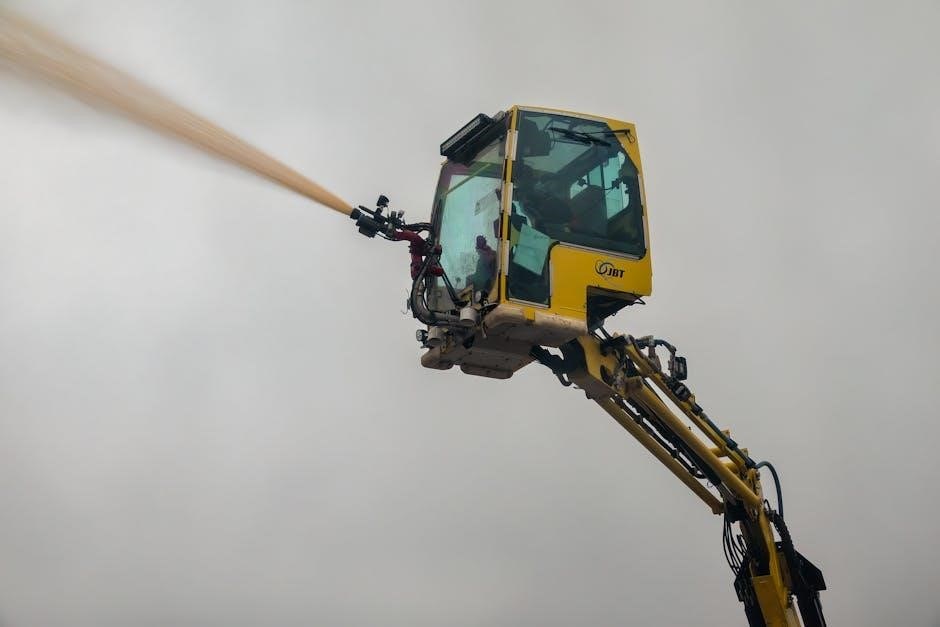
Apparatus placement should maximize ladder reach and angle while minimizing strain on the unit. Utilize spotting guides and communication with the operator to ensure accurate positioning. Before extending the aerial ladder‚ a 360-degree assessment of the surrounding environment is crucial‚ identifying hazards like power lines and trees.
Proper outrigger deployment is paramount; ensure full extension and firm contact with the ground. Implement wheel chocks and utilize appropriate stabilization techniques to prevent movement during operations. Continuously monitor the apparatus’ level throughout the operation.
Site Assessment & Hazard Identification
A thorough site assessment is the foundational step before any piercing operation. Identify potential structural collapse zones‚ considering building construction type and fire involvement. Scan for overhead obstructions – power lines‚ trees‚ and architectural features – maintaining safe distances as per NFPA 70E guidelines.
Evaluate ground conditions; soft or uneven terrain compromises apparatus stability. Note the presence of underground utilities‚ and confirm their location before outrigger deployment. Assess wind conditions‚ as gusts significantly impact aerial ladder stability and water stream control.
Identify potential fuel sources and flammable materials surrounding the structure. Be aware of pedestrian and vehicular traffic‚ establishing a robust perimeter for safety. Document all identified hazards and communicate them clearly to the incident command and crew. Continuous monitoring throughout the operation is essential‚ as conditions can change rapidly.
Proper Apparatus Positioning for Piercing Operations
Optimal apparatus positioning maximizes reach‚ stability‚ and firefighter safety during piercing. Position the aerial ladder to achieve the desired angle of approach‚ typically between 45 and 75 degrees‚ for effective water application. Prioritize a location that minimizes the need for excessive extension‚ reducing stress on the apparatus.
Consider the building’s layout and potential collapse pathways. Avoid positioning the apparatus directly in line with weakened structural elements. Maintain a safe working distance from the building‚ accounting for potential debris fall and radiant heat.
Ensure sufficient space for outrigger deployment‚ adhering to manufacturer’s specifications for minimum clear zones. Account for turning radius requirements for apparatus repositioning if conditions change. Communicate the intended positioning to the incident commander and ensure it aligns with the overall tactical plan. Regularly reassess positioning throughout the operation.
Stabilization Techniques & Outrigger Deployment
Proper stabilization is paramount before initiating piercing operations. Fully extend and firmly set all outriggers on a stable‚ level surface. Utilize stabilization jacks or cribbing under outriggers if ground conditions are uneven or unstable‚ ensuring complete contact.
Confirm outrigger floatation is disabled‚ preventing unintended movement during operation. Monitor outrigger pressure gauges to verify equal distribution of weight. Implement wheel chocks on all wheels not actively supporting the apparatus‚ even on seemingly level ground.
Consider the soil type and load-bearing capacity; avoid soft or yielding surfaces. If necessary‚ distribute the load using large plywood sheets or timber mats. Regularly inspect outrigger setup throughout the operation for any signs of settling or instability. Communicate stabilization status clearly to all personnel.
V. Piercing Operations, Techniques & Safety
Piercing operations demand a deliberate‚ controlled approach. Maintain a safe distance from the fire‚ prioritizing operator protection. Utilize a straight stream to penetrate the roof‚ creating a ventilation opening for heat and smoke release.
Monitor fire behavior closely; anticipate potential flashover or backdraft conditions. Coordinate piercing efforts with interior crews to ensure a synchronized attack. Employ thermal imaging to identify hot spots and track fire spread post-piercing.
Avoid piercing over occupied areas or structural weaknesses. Continuously assess ladder angle and reach‚ adjusting as needed. Communicate clearly with the nozzle operator regarding stream adjustments and target areas. Prioritize rapid cooling of surrounding materials to prevent fire re-ignition. Always have a secondary escape route planned.
Ladder Angle & Reach Considerations
Maintaining the correct ladder angle is paramount for stability and effective piercing. An angle between 75 and 85 degrees generally provides optimal reach and support‚ but always consult the apparatus manufacturer’s specifications.
Insufficient angle compromises stability‚ while excessive angles reduce reach and increase stress on the ladder structure. Calculate required reach carefully‚ accounting for roof height‚ obstructions‚ and desired penetration point. Remember that reach diminishes as the angle increases.
Consider wind conditions; strong winds necessitate a lower angle for increased stability. Regularly verify outrigger placement and ensure they are firmly grounded. Never exceed the ladder’s maximum reach capacity. Continuously monitor the ladder’s position during operations‚ making adjustments as needed to maintain a safe and effective working angle.
Water Stream Application Techniques for Piercing
Effective water stream application is crucial for creating piercing openings and controlling fire spread. Utilize a straight stream for maximum reach and penetration‚ focusing on identified weak points in the roof structure;
Begin with short‚ controlled bursts to assess roof integrity and avoid unnecessary damage. Gradually increase stream intensity as needed‚ maintaining a consistent pattern. Avoid direct application to structural members if possible‚ aiming for the space between them.
Consider using a fog pattern for cooling surrounding areas and reducing steam production‚ improving visibility. Coordinate stream application with ventilation teams to maximize effectiveness and prevent flashover. Continuously monitor fire behavior and adjust stream placement accordingly. Remember to account for water runoff and potential collapse hazards.
Ventilation Coordination & Fire Behavior Awareness
Successful piercing operations demand seamless coordination with ventilation teams. Prior to piercing‚ establish clear communication regarding ventilation plans – positive pressure ventilation (PPV) or coordinated ventilation – to direct smoke and heat.
Understand that piercing creates an opening for fire to rapidly expand. Anticipate increased fire growth and potential changes in fire behavior‚ including backdraft or flashover. Monitor for signs of oxygen-depleted environments and adjust ventilation strategies accordingly.
Be acutely aware of the building’s construction type and potential fire spread pathways. Observe flame patterns and smoke conditions to predict fire movement. Communicate any observed changes to the incident commander and ventilation team immediately. Continuous assessment of fire behavior is paramount for firefighter safety and effective incident control.
VI. Post-Operational Procedures & Documentation
Following a piercing operation‚ a thorough apparatus shutdown is critical. Lower the aerial ladder to its travel position‚ engage all safety locks‚ and disconnect the water supply. Inspect for any damage incurred during operations‚ noting any hydraulic leaks or mechanical failures.
Complete a detailed operational report documenting the incident‚ including the piercing location‚ ladder angles‚ water flow rates‚ ventilation coordination‚ and observed fire behavior. Accurate documentation is essential for after-action reviews and future training.
Schedule necessary maintenance based on operational stress. This includes a comprehensive inspection of the aerial ladder’s hydraulic system‚ electrical components‚ and structural integrity. Address any identified issues promptly to ensure continued operational readiness and firefighter safety. Proper documentation facilitates efficient maintenance tracking.
Apparatus Shutdown & Securement
Once the piercing operation is complete and the scene is stabilized‚ initiate a systematic shutdown procedure. Fully retract and lower the aerial ladder to its designated travel position‚ ensuring a smooth and controlled descent. Engage all locking mechanisms – both primary and secondary – to positively secure the ladder’s boom sections.
Disconnect the water supply to the aerial ladder’s nozzle and drain all remaining water from the system to prevent freezing or corrosion. Disengage the pump if it was directly supplying the aerial device. Verify that all outriggers are fully retracted and pinned in the travel position‚ confirming ground contact.
Activate the parking brake and place the transmission in neutral or park. Conduct a final walk-around inspection‚ checking for any fluid leaks‚ loose components‚ or visible damage. Secure all tools and equipment‚ and ensure the apparatus is ready for safe relocation or return to service.
Operational Report Completion
Following every piercing aerial ladder operation‚ a detailed operational report must be completed. This report serves as a critical record for incident analysis‚ training improvements‚ and equipment maintenance tracking. Include the date‚ time‚ and location of the incident‚ along with a comprehensive description of the fire conditions encountered.
Document the specific piercing tactics employed‚ including ladder angle‚ nozzle flow rate‚ and stream pattern utilized. Detail any challenges faced during the operation‚ such as obstructions‚ wind conditions‚ or structural instability. Record the duration of the aerial ladder’s deployment and the total water applied.
Note any equipment malfunctions or damage observed during or after the operation. Include the names and roles of all personnel involved. The completed report should be submitted to the designated supervisor within 24 hours for review and archiving‚ ensuring accountability and continuous improvement.
Maintenance Requirements Following Piercing Operations
Piercing operations subject the aerial ladder and associated systems to significant stress‚ necessitating thorough post-operation maintenance. Immediately following use‚ inspect the ladder rails for any signs of damage – bends‚ cracks‚ or deformation. Check all hydraulic lines and fittings for leaks‚ and verify proper operation of all locking mechanisms.
The boom articulation points require careful examination for wear or looseness. Inspect the outrigger pads and beams for damage sustained during setup. A complete washdown of the aerial ladder is crucial to remove any fire debris or corrosive residue.
Schedule a detailed inspection by a qualified technician within 72 hours of the operation. This inspection should include a functional test of all safety interlocks and a comprehensive hydraulic system check. Document all maintenance performed in the apparatus maintenance log‚ ensuring a clear record of preventative care and repair history.