con frida en el altiplano pdf

Article Plan: Con Frida en el Altiplano PDF
This article details “Con Frida en el Altiplano‚” a graded Spanish reader (A1-A2 level) published by Klett in 2002‚ focusing on Bolivian culture and language.
“Con Frida en el Altiplano” is a captivating graded reader designed for beginner Spanish learners. Published as part of the “Serie América Latina‚” this book offers an accessible entry point into both the Spanish language and the rich culture of Bolivia. The narrative follows Frida and Mikil’s adventures amidst the stunning landscapes of the Bolivian Altiplano.
This particular text‚ available in PDF and eBook formats‚ aims to build language skills through an engaging storyline. It’s a valuable resource for students seeking practical Spanish usage within a culturally relevant context‚ specifically focusing on vocabulary and grammar appropriate for A1-A2 levels.
Author and Publication Details
“Con Frida en el Altiplano” is authored by Dolores Soler-Espiauba‚ a writer specializing in creating accessible Spanish learning materials. The book was initially published in October 2002 by Klett‚ a renowned publisher of language learning resources. Later editions and reprints have maintained the core text while potentially updating supplementary materials.
The work is part of the larger “Serie América Latina‚” indicating a focus on providing culturally immersive language learning experiences. The PDF version‚ widely available online‚ facilitates easy access for students and educators. Amazon Kindle also offers an eBook edition for convenient digital reading.
Dolores Soler-Espiauba: Biography
Dolores Soler-Espiauba is a Spanish author dedicated to developing engaging and effective language learning materials. While detailed biographical information is somewhat limited‚ her work clearly demonstrates a passion for both the Spanish language and Latin American culture. She specializes in creating graded readers‚ specifically designed to aid learners at various proficiency levels;
Her “Serie América Latina” showcases a commitment to cultural immersion alongside linguistic development. “Con Frida en el Altiplano” exemplifies her approach‚ blending a compelling narrative with accessible Spanish‚ making it a valuable resource for A1-A2 level students.
Publication History & Editions (Klett‚ 2002 & Later)
“Con Frida en el Altiplano” was initially published in 2002 by Klett‚ a renowned publisher of language learning materials. It forms part of the “Serie América Latina‚” a collection of graded readers focused on different countries within Latin America. The original paperback edition aimed to provide accessible Spanish practice for beginner learners.
Later‚ the book became available in digital formats‚ including a PDF version and as an eBook on platforms like Amazon Kindle. These editions broadened accessibility‚ catering to a wider audience of Spanish language students globally. The continued availability demonstrates its enduring value.
Overview of the “Serie América Latina”
The “Serie América Latina” is a collection of graded readers designed to immerse Spanish learners in the cultures and contexts of various Latin American countries. Each book‚ like “Con Frida en el Altiplano‚” focuses on a specific location‚ offering a blend of narrative and cultural insights. The series aims to make language acquisition engaging and relevant.

These readers aren’t simply language exercises; they’re stories set within authentic environments‚ incorporating cultural‚ political‚ and geographical details. This approach enhances comprehension and provides a richer learning experience for students.
Purpose of the Series: Graded Readers
The core purpose of the “Serie América Latina” is to provide accessible Spanish language learning materials through graded readers. These books carefully control vocabulary and grammatical structures‚ making them suitable for learners at specific proficiency levels. “Con Frida en el Altiplano‚” for example‚ is designed for A1-A2 level students.
Graded readers bridge the gap between textbooks and authentic literature‚ offering a stepping stone for independent reading. They foster fluency‚ expand vocabulary‚ and build confidence in a supportive and engaging format‚ promoting a love for the Spanish language.

Target Audience: A1-A2 Spanish Learners
“Con Frida en el Altiplano” specifically targets Spanish learners operating at the A1 and A2 levels of the Common European Framework of Reference for Languages (CEFR). These learners typically possess a basic understanding of Spanish grammar and vocabulary‚ enabling them to comprehend simple texts and engage in elementary conversations.
The book’s simplified language and culturally relevant content make it ideal for beginners seeking to expand their linguistic skills. It’s suitable for classroom use or self-study‚ providing a gentle introduction to the Spanish-speaking world and Bolivian culture.
Setting: The Bolivian Altiplano
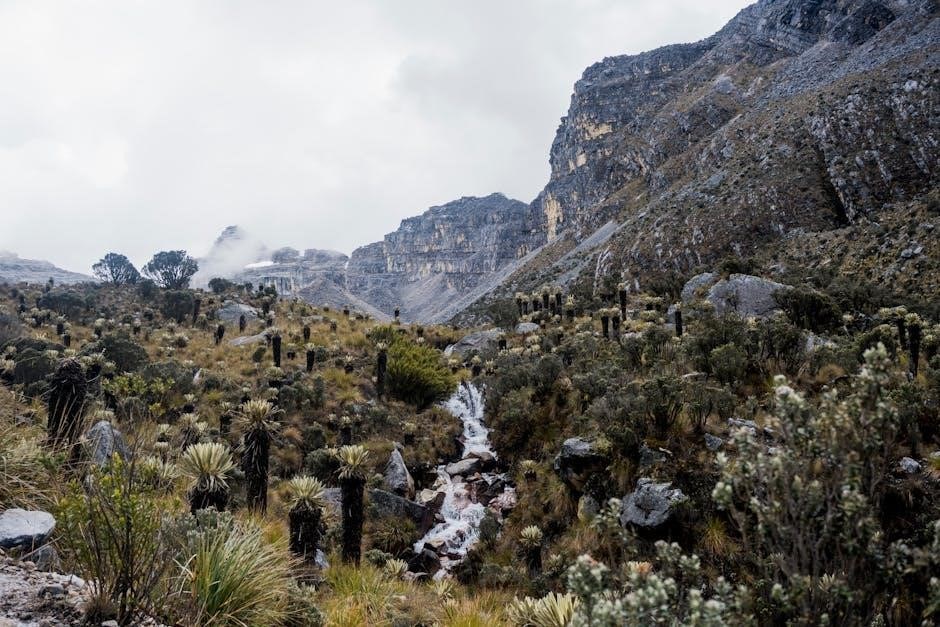
“Con Frida en el Altiplano” is vividly set on the Bolivian Altiplano‚ a high-altitude plateau encompassing a vast expanse of terrain averaging 4‚000 meters above sea level. This region is geographically dominated by Lake Titicaca and expansive plains‚ creating a unique and striking landscape.
The Altiplano holds immense cultural significance in Bolivia‚ representing the heartland of indigenous traditions and a vital part of the nation’s identity. The story utilizes this setting to immerse readers in Bolivian life and customs‚ enriching the learning experience.
Geographical Description of the Altiplano
The Bolivian Altiplano is a vast‚ high-altitude plateau situated in western Bolivia. It’s characterized by its expansive plains‚ towering mountains‚ and the iconic Lake Titicaca‚ the largest lake in South America by volume. The average altitude is approximately 4‚000 meters (13‚123 feet) above sea level‚ influencing the climate and vegetation.
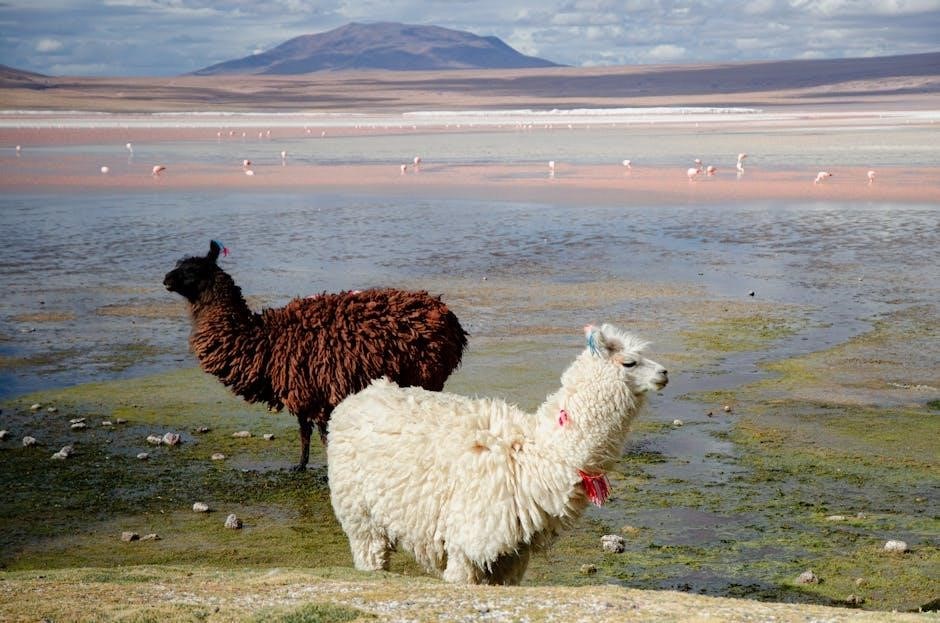
This unique geography results in a cold‚ dry climate with significant temperature fluctuations between day and night. Sparse vegetation‚ adapted to the harsh conditions‚ dots the landscape‚ creating a distinctive and breathtaking environment.
Cultural Significance of the Altiplano in Bolivia
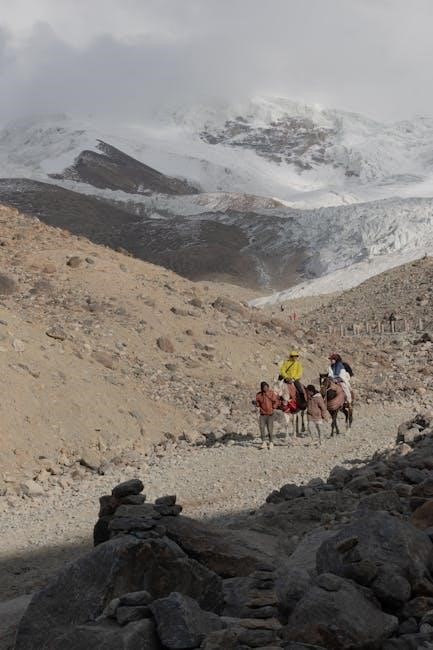
The Altiplano holds immense cultural importance for Bolivia‚ deeply interwoven with the traditions and identity of its indigenous populations‚ particularly the Aymara and Quechua people. It’s considered the ancestral homeland‚ a sacred space where ancient beliefs and practices continue to thrive.
Agriculture‚ centered around hardy crops like potatoes and quinoa‚ sustains many communities. Traditional music‚ vibrant textiles‚ and unique festivals reflect the region’s rich heritage. The Altiplano represents resilience‚ connection to nature‚ and a strong sense of community for Bolivians.
Plot Summary of “Con Frida en el Altiplano”
“Con Frida en el Altiplano” follows Frida’s journey to Bolivia‚ specifically the high-altitude Altiplano region. She’s accompanying her friend Mikil‚ a keen cyclist‚ who faces a challenge transporting his bicycle. Fortunately‚ Mikil has a connection – a KLM flight attendant who promises assistance.
The story unfolds as Frida and Mikil explore the vibrant city life‚ particularly the bustling university plaza filled with young people and lively Latin American music. The narrative centers around their experiences‚ cultural immersion‚ and the resolution of Mikil’s travel predicament.
Key Characters
The story primarily revolves around two central figures: Frida and Mikil. Frida serves as the main character‚ experiencing Bolivia and navigating the cultural landscape alongside her friend. Mikil‚ a cyclist‚ initiates the journey and relies on assistance to transport his bicycle via KLM airline.
A crucial‚ though unseen‚ character is Mikil’s friend‚ the KLM flight attendant. She plays a pivotal role in resolving a logistical challenge‚ demonstrating helpfulness and facilitating Mikil’s travel plans. These characters drive the narrative and contribute to the story’s themes.
Frida: Character Profile
Frida is presented as an adventurous and open-minded individual‚ experiencing the Bolivian Altiplano alongside her friend‚ Mikil. While details about her background are limited within the text‚ she embodies the perspective of a learner immersing herself in a new culture. Her interactions showcase curiosity and a willingness to engage with the local environment.
Frida’s role is primarily observational‚ allowing readers to experience Bolivia through her eyes. She doesn’t drive the plot with complex goals‚ but rather reacts to and learns from the situations Mikil encounters‚ making her relatable to language learners.
Mikil: Character Profile & Role
Mikil is a central character motivated by a desire to travel with his bicycle‚ facing the challenge of transporting it by plane. He relies on the kindness of a KLM flight attendant friend to facilitate this journey to Bolivia. Mikil’s personality is proactive and resourceful‚ driving much of the narrative’s action.
His role serves as a catalyst for cultural exploration‚ introducing Frida – and the reader – to the sights and sounds of the Altiplano. Mikil’s interactions with locals and his reliance on assistance highlight themes of friendship and navigating unfamiliar environments.
Linguistic Features & Learning Objectives
“Con Frida en el Altiplano” is designed for A1-A2 Spanish learners‚ employing simplified grammar and controlled vocabulary. The text focuses on present tense verb conjugations‚ basic sentence structures‚ and common expressions used in everyday interactions. A key learning objective is expanding vocabulary related to travel‚ geography‚ and Bolivian culture.
Specifically‚ learners encounter terms describing the Altiplano region‚ musical instruments‚ and social settings. The narrative reinforces comprehension through contextual clues and repetitive language patterns‚ aiding retention and building confidence in practical Spanish communication.
Vocabulary Focus: Altiplano-Specific Terms
“Con Frida en el Altiplano” introduces learners to unique vocabulary associated with the Bolivian Altiplano region. Key terms include “altiplano” itself‚ referring to the high plateau‚ and “Lago Titicaca‚” the sacred lake. Students will encounter words describing local flora and fauna‚ as well as elements of Bolivian daily life.
The story also incorporates vocabulary related to music – “orquesta” (orchestra) – and social spaces like the “plaza” (town square). Learners are exposed to terms for transportation and travel‚ reflecting Frida and Mikil’s journey. This focused vocabulary builds cultural understanding alongside linguistic skills.

Grammatical Structures Used (A1-A2 Level)
“Con Frida en el Altiplano” employs grammatical structures appropriate for A1-A2 Spanish learners. The narrative heavily utilizes the present tense for descriptions and actions‚ reinforcing basic verb conjugations. Learners encounter frequent use of ser and estar to describe characteristics and locations‚ respectively.
Simple past tense appears to narrate events‚ while basic sentence structures and common prepositions are consistently applied. The text avoids complex subjunctive moods or conditional tenses‚ ensuring accessibility. Pronoun usage is straightforward‚ aiding comprehension and building a solid grammatical foundation.
Cultural Elements Depicted in the Story
“Con Frida en el Altiplano” vividly portrays Bolivian culture‚ particularly within the context of the Altiplano region. The story highlights the importance of plazas as social hubs‚ showcasing lively gatherings and youthful energy. A central scene features a Latin American orchestra performing in the plaza‚ introducing readers to Bolivian music and dance traditions.
The narrative subtly depicts aspects of daily life‚ offering glimpses into Bolivian social interactions and customs. It provides a cultural window‚ enriching the language learning experience beyond mere grammatical exercises and vocabulary acquisition.
Bolivian Music & Dance (Orchestra in the Plaza)
The plaza scene in “Con Frida en el Altiplano” prominently features a Latin American orchestra‚ comprised of three young musicians. This musical element serves as a cultural touchstone‚ introducing learners to Bolivian musical traditions within a vibrant social setting. The orchestra’s presence signifies the importance of music in Bolivian life and provides a lively backdrop for character interactions.
This depiction isn’t merely decorative; it immerses readers in the atmosphere of a typical Bolivian evening‚ fostering a deeper understanding of the culture alongside language acquisition.
Social Life in Bolivia (Plaza Scene)
The plaza scene in “Con Frida en el Altiplano” vividly portrays Bolivian social life‚ depicting a bustling public space filled with young people seeking entertainment on a Saturday night. This setting highlights the plaza’s role as a central hub for community interaction and leisure activities. The narrative emphasizes the lively atmosphere and the importance of social gatherings in Bolivian culture.
Through this depiction‚ learners gain insight into everyday life in Bolivia‚ observing interactions and customs that enrich their cultural understanding alongside their language skills.
Availability and Formats
“Con Frida en el Altiplano” is accessible in multiple formats‚ catering to diverse learning preferences. A PDF version is readily available for download from various online sources‚ facilitating convenient access for students and educators. Furthermore‚ the book is offered as an eBook on Amazon Kindle‚ providing a digital reading experience.
The Klett edition‚ originally published in October 2002 as a paperback‚ remains a popular choice. These formats ensure widespread availability‚ making this valuable graded reader easily obtainable for Spanish language learners globally.
PDF Version & Download Sources
The PDF version of “Con Frida en el Altiplano” is a frequently sought-after resource for Spanish learners. Several websites host downloadable copies‚ offering convenient access to the text. A July 2021 version‚ approximately 381.4KB in size‚ is commonly found through online searches.
Students and teachers utilize this format for easy printing and digital annotation. While availability may vary across platforms‚ a quick internet search for “Download Con Frida En El Altiplano PDF” typically yields several viable download links‚ ensuring broad accessibility.
eBook Availability (Amazon Kindle)
“Con Frida en el Altiplano” is readily available as an eBook on Amazon Kindle. This digital format provides learners with portability and convenient access on various devices. Published as part of the “Serie América Latina‚” the Kindle edition is offered by Dolores Soler-Espiauba.
Purchasing through Amazon Kindle ensures a legitimate copy and supports the author. The eBook format often includes features like adjustable font sizes and built-in dictionaries‚ enhancing the learning experience for Spanish students at the A1-A2 level.
Critical Reception & Reviews
While dedicated‚ extensive critical reviews specifically for “Con Frida en el Altiplano” are scarce online‚ its position within the “Serie América Latina” suggests a generally positive reception within language education circles. The series is known for providing accessible and culturally relevant reading material for Spanish learners.
User feedback‚ often found on platforms like Amazon where the Kindle edition is sold‚ indicates satisfaction with the book’s suitability for A1-A2 level students. Learners appreciate the engaging storyline and the integration of Bolivian cultural elements‚ aiding comprehension and motivation.
Educational Use & Teaching Resources
“Con Frida en el Altiplano” is ideally suited for beginner Spanish classes (A1-A2 levels) aiming to improve reading comprehension and expand vocabulary related to travel‚ culture‚ and everyday life in Bolivia. The text’s simplicity allows for focused grammatical practice‚ particularly present tense and basic sentence structures.
Though dedicated teacher resources aren’t widely available online‚ the book’s structure lends itself to creating exercises focusing on vocabulary acquisition‚ comprehension questions‚ and role-playing scenarios based on the plot. The cultural notes within the text also provide opportunities for discussion.
Themes Explored in the Novel
“Con Frida en el Altiplano” subtly explores themes of travel and adventure‚ showcasing Bolivia’s unique landscape and cultural vibrancy. A central theme is the power of friendship and assistance‚ exemplified by Mikil’s KLM flight attendant friend who helps him transport his bicycle. This highlights the kindness of strangers and the benefits of intercultural connections.
The narrative also touches upon the joys of experiencing new cultures‚ particularly through music and social interactions in the plaza. While simple‚ the story promotes openness and appreciation for diverse lifestyles.
Travel and Adventure
The core of “Con Frida en el Altiplano” revolves around travel‚ specifically Mikil’s journey to Bolivia with his bicycle. This isn’t merely transportation; it represents a desire for exploration and immersion in a new environment. The Altiplano itself becomes an adventurous landscape‚ presenting unique challenges and opportunities for discovery.
While the adventure isn’t overtly dramatic‚ the story subtly conveys the excitement of navigating unfamiliar territories and embracing spontaneous encounters‚ like the lively plaza scene. It’s a gentle introduction to the spirit of travel.
Friendship and Assistance (KLM Flight Attendant)
A key element within “Con Frida en el Altiplano” is the theme of helpfulness and budding friendship. Mikil faces a logistical hurdle – transporting his bicycle on a KLM flight. Fortunately‚ he has a friend who is a flight attendant based in Amsterdam.
This connection highlights the power of personal relationships in overcoming obstacles. The flight attendant’s promise of assistance demonstrates kindness and willingness to go the extra mile‚ facilitating Mikil’s adventure. This subplot subtly emphasizes the importance of social connections and reciprocal support.
Comparison to Other Graded Readers
“Con Frida en el Altiplano” distinguishes itself within the realm of A1-A2 Spanish graded readers through its specific cultural immersion. Unlike some series focusing on broader Hispanic themes‚ this book centers on Bolivia’s unique Altiplano region.
While other readers might prioritize common everyday scenarios‚ “Con Frida” integrates detailed cultural elements like Bolivian music and plaza life. This provides learners with a more focused and authentic linguistic experience. The narrative’s setting and vocabulary contribute to a richer understanding of Bolivian culture‚ setting it apart.
Historical Context (2002 Publication)
The 2002 publication of “Con Frida en el Altiplano” coincided with a growing interest in Latin American literature and culture globally. This timing allowed the book to capitalize on increased demand for accessible learning materials focused on specific regional identities.
Furthermore‚ the early 2000s saw a rise in language learning resources utilizing communicative approaches. “Con Frida” aligns with this trend‚ prioritizing practical language use within a culturally relevant context. Klett’s decision to launch it within the “Serie América Latina” demonstrates a commitment to diversifying Spanish language learning materials.
The Role of Adaptation in Language Learning
“Con Frida en el Altiplano” exemplifies the power of adaptation in language acquisition. By simplifying vocabulary and grammatical structures (A1-A2 level)‚ the text makes Bolivian culture accessible to beginner Spanish learners. This adaptation fosters comprehension and reduces cognitive load‚ allowing students to focus on meaning rather than complex linguistic forms.
The narrative’s relatable scenario – travel and friendship – further enhances engagement. Adaptation isn’t merely simplification; it’s a strategic bridge connecting learners to authentic cultural content‚ promoting both linguistic and intercultural competence.
Analysis of the Title: “Con Frida en el Altiplano”
The title‚ “Con Frida en el Altiplano‚” is deceptively simple yet richly evocative. “Con Frida” immediately establishes a personal connection‚ inviting readers to share an experience with a character. “En el Altiplano” grounds the narrative geographically and culturally‚ pinpointing Bolivia’s high-altitude plateau as the central setting.
This combination suggests a journey of discovery‚ both for Frida and the reader. The preposition “con” implies companionship and shared adventure‚ hinting at the story’s themes of friendship and exploration within a unique cultural landscape.

Detailed Scene Breakdown (Plaza Scene)
The plaza scene in “Con Frida en el Altiplano” is vibrant and central to showcasing Bolivian social life. It’s described as bustling with young people enjoying a Saturday night‚ creating a lively atmosphere. A Latin American orchestra performs in the plaza’s center‚ comprised of three young musicians.
This scene isn’t merely background; it’s a cultural immersion point. The orchestra introduces Bolivian music‚ while the plaza itself represents a common gathering space. Dialogue and interactions within the scene likely reinforce vocabulary and grammatical structures appropriate for A1-A2 learners.
Discussion of Cultural Commentary within the Text

“Con Frida en el Altiplano” integrates cultural elements beyond simple descriptions. The story‚ set in Bolivia‚ subtly comments on daily life‚ particularly through the plaza scene and the presence of Latin American music. It showcases a youthful social scene‚ hinting at Bolivian leisure activities and community gatherings.
The narrative also touches upon practical aspects like travel – Mikil’s bicycle and the KLM flight attendant – offering glimpses into logistical challenges and helpfulness. These details‚ woven into the plot‚ provide authentic cultural context for language learners.
Accessibility for Different Learning Styles
“Con Frida en el Altiplano‚” as a graded reader‚ caters to varied learning preferences. Its simplified language and repetitive structures benefit auditory and linguistic learners. The narrative’s setting – the Bolivian Altiplano – provides visual learners with rich imagery‚ enhanced by potential supplementary materials like maps and photos.
Kinesthetic learners could benefit from role-playing scenes or creating travel itineraries based on the story. The text’s cultural elements also engage interpersonal learners‚ fostering discussions about Bolivian life and customs.
Potential Exercises for Spanish Learners
“Con Frida en el Altiplano” lends itself to diverse exercises. Comprehension questions focusing on plot and character details are ideal for A1-A2 learners. Vocabulary exercises centered on Altiplano-specific terms – like names of musical instruments or local foods – reinforce retention.
Grammar practice can target structures used in the text‚ such as present tense verb conjugations. Role-playing dialogues from the plaza scene enhances fluency. Creative writing prompts‚ like continuing Frida’s journey‚ encourage application of learned language skills.

Future Editions and Updates
Considering the 2002 publication date‚ updates to “Con Frida en el Altiplano” could enhance its relevance. A revised edition might incorporate contemporary Bolivian cultural references and address societal changes. Digital enhancements‚ such as interactive exercises within the PDF or eBook‚ would benefit learners.
Adding audio recordings of native speakers reading the text improves pronunciation practice. Expanding the glossary with more detailed explanations of cultural nuances is also valuable. Exploring supplementary online resources‚ like videos of Bolivian music‚ could enrich the learning experience.
“Con Frida en el Altiplano” remains a valuable resource for beginner Spanish learners‚ offering an accessible entry point into both the language and Bolivian culture. Its graded reader format‚ coupled with cultural insights‚ facilitates comprehension and engagement. The story’s focus on travel‚ friendship‚ and assistance provides relatable themes.
The availability of the PDF and eBook versions enhances accessibility. While a newer edition could benefit from updates‚ the existing text effectively achieves its pedagogical goals‚ making it a worthwhile addition to any Spanish language learning curriculum.
