an astronaut’s guide to life on earth

After a 10‑day lunar loop, astronauts return to Earth’s gravity, performing recovery drills and moonwalks to ease muscle atrophy. They adjust diets, sleep, and re‑establish daily routines.
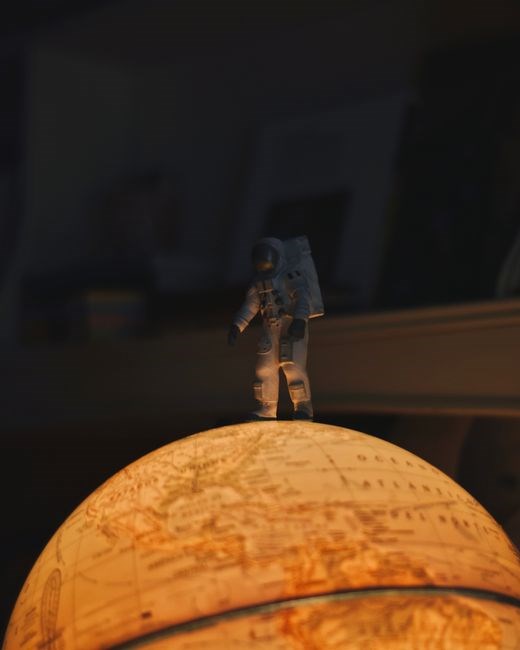
Physical Readiness Before Return

Astronauts prepare with targeted strength training, balance drills, and cardiovascular conditioning to counteract muscle loss. They monitor bone density, adjust nutrition, and use resistance bands to simulate gravity.
!!
Pre-landing Exercise Regimen
Before touchdown, crews follow a structured routine to prime muscles for Earth’s gravity. Sessions begin with 15‑minute dynamic warm‑ups, focusing on core stability and joint mobility. Resistance bands and weighted vests replace micro‑gravity loads, providing progressive overload to counteract atrophy. Cardiovascular work, such as treadmill intervals at 70% VO₂ max, restores aerobic capacity. Balance drills on wobble boards simulate the shift from 0 g to 1 g, enhancing proprioception. Each exercise is logged in real‑time telemetry, allowing ground teams to adjust intensity. Recovery protocols include active stretching, foam‑rolling, and cryotherapy to reduce inflammation. By the final week, astronauts achieve 90% of pre‑flight strength, ensuring a smoother transition upon re‑entry.
On the final days, crews perform simulated re‑entry scenarios using centrifuge rigs to acclimate vestibular systems. Data from onboard inertial sensors guide personalized load plans. Post‑flight physiotherapists monitor joint ROM, ensuring no compensatory patterns develop. and balance. daily
Nutritional Strategies for Gravity Transition
Upon re‑entry, astronauts face rapid shifts in fluid distribution and bone density loss. A carefully calibrated diet mitigates these effects. The plan prioritizes high‑quality protein (30% of calories) to preserve lean mass, supplemented with leucine‑rich sources like whey and soy. Calcium and vitamin D intake is doubled to support osteogenesis, while magnesium and potassium help regulate muscle contraction and prevent cramps. Omega‑3 fatty acids reduce inflammatory markers that spike during micro‑gravity adaptation. Carbohydrate timing is critical: complex carbs pre‑landing support glycogen stores, while simple sugars post‑landing aid rapid glucose uptake. Hydration protocols emphasize 3 L/day, with electrolytes balanced to counteract diuresis. Antioxidant‑rich foods—berries, leafy greens, and dark chocolate—combat oxidative stress from radiation exposure. Meal portions are divided into 5–6 small servings to ease gastric adaptation, and a 24‑hour fasting window is introduced gradually to reset circadian rhythms. Nutrient tracking via wearable sensors ensures compliance, and real‑time adjustments are made by ground nutritionists. This regimen aligns with NASA’s latest guidelines, ensuring astronauts regain metabolic stability within 48 hours of touchdown. Daily micronutrient checks guide precise supplement tweaks now.
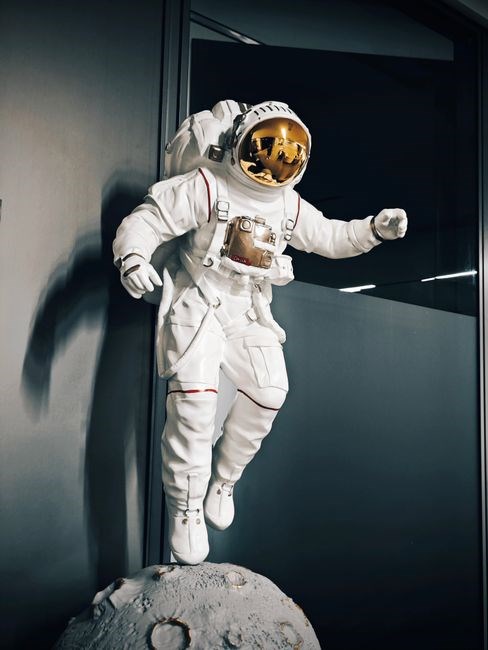
Immediate Post-landing Recovery
Astronauts undergo medical checks, hydration, and rest to stabilize vitals. Teams monitor heart rate, blood pressure, and bone density to ensure transition back to Earth life!
Medical Decompression Protocols
Immediately after splashdown, astronauts enter a staged decompression protocol designed to mitigate the physiological shock of re‑entering Earth’s 1g environment. The first phase involves a controlled 30‑minute rest period in a low‑pressure cabin, during which telemetry monitors heart rate, blood pressure, and oxygen saturation. Following this, a graded exercise routine—starting with gentle ankle pumps and progressing to light resistance work—helps stimulate blood flow and counteract muscle atrophy. Hydration is carefully managed; isotonic fluids are administered to restore plasma volume while avoiding rapid shifts that could induce orthostatic intolerance. Concurrently, a bone‑density scan assesses micro‑gravity‑induced osteopenia, informing targeted calcium and vitamin D supplementation. Throughout the session, medical staff use real‑time data to adjust compression garments and posture, ensuring that the astronaut’s cardiovascular system adapts smoothly. By the end of the protocol, the crew’s vital signs stabilize, and they are ready for the next phase of readaptation training. promptly.
Reacclimation to Earth Gravity Exercises
After splashdown, astronauts follow a graded reacclimation plan that blends low‑impact plyometrics, balance drills, and cardiovascular intervals to rebuild musculoskeletal strength and autonomic function. The routine starts with single‑leg hops and mini‑squats to re‑engage the vestibular system, then progresses to Bosu ball squats, tandem stance, and weighted lunges for core stability. Interval treadmill sessions raise heart‑rate variability and pulmonary capacity, while telemetry monitors orthostatic tolerance by tracking blood‑pressure changes upon standing. Nutritional support—rich in protein and electrolytes—accompanies each workout to aid muscle repair and fluid balance. By program’s end, astronauts regain gait symmetry, joint range, and a normalized cardiovascular response, positioning them for a smooth transition back to Earth‑based duties. Additionally, therapists monitor joint mobility and provide targeted stretching protocols to prevent stiffness, while psychologists assess mood and motivation levels to ensure mental readiness for re‑integration into terrestrial missions daily!!
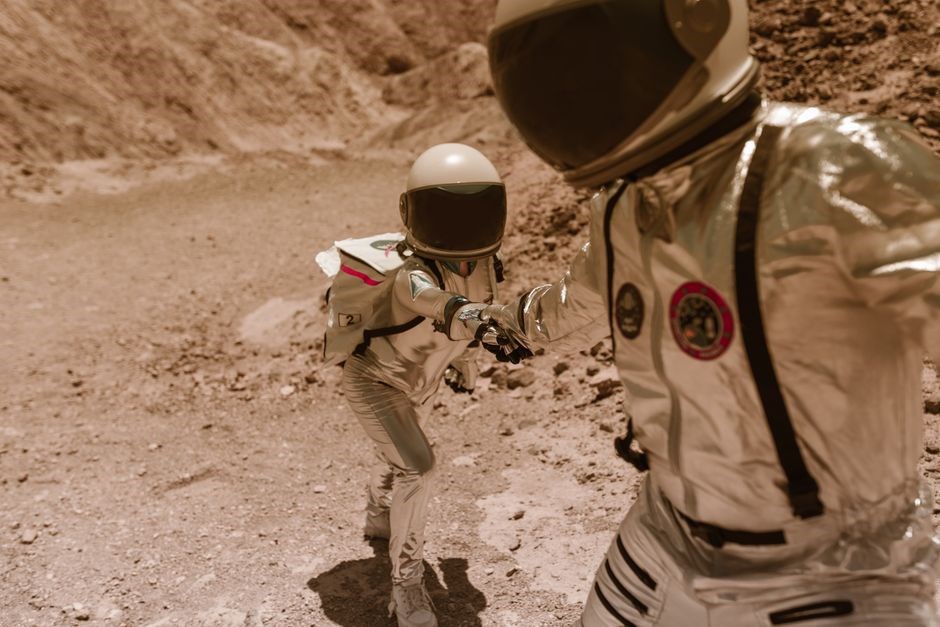
Psychological Adaptation
Psychological adaptation focuses on coping with isolation, mental health screening, and resilience training. Support teams use CBT, mindfulness, and peer debriefs to ease transition. now
Coping with Isolation After Mission
Returning from a 10‑day lunar loop, astronauts face a sudden shift from microgravity to Earth’s 1g, triggering emotional and cognitive stress. Psychologists recommend structured debriefs to share experiences, reframe stressors, and reinforce adaptive coping strategies. Continuous tele‑therapy offers clinicians real‑time monitoring of mood, sleep, and biomarkers, enabling early intervention. Peer‑support groups, both on‑site and virtual, help astronauts feel connected, reducing isolation and fostering resilience. Mindfulness practices, such as guided imagery and breathing exercises, lower physiological arousal and improve emotional regulation. Regular physical activity, including resistance training, helps counteract muscle loss and supports cardiovascular health during readaptation. Combining psychological support with structured routines enables astronauts to regain confidence, maintain well‑being, and smoothly reintegrate into Earth society. Regular sleep hygiene practices, such as maintaining a consistent bedtime and reducing blue light exposure, support circadian rhythm restoration. Astronauts stay alert.
Mental Health Screening Procedures
Following a 10‑day lunar loop, astronauts undergo systematic mental‑health screening to detect early signs of stress, depression, or cognitive decline. NASA’s protocol starts with a baseline assessment conducted pre‑flight, using validated tools such as the Profile of Mood States, the Beck Depression Inventory, and the NASA Task Load Index. After re‑entry, clinicians administer the same instruments within 24 hours to capture acute changes. Continuous monitoring is achieved through wearable biosensors that track heart‑rate variability, skin conductance, and sleep architecture, providing objective data on autonomic regulation. Neurocognitive batteries—like the Cambridge Neuropsychological Test Automated Battery—are repeated weekly for the first month and monthly thereafter to track attention, memory, and executive function. Tele‑psychiatry sessions allow real‑time counseling and crisis intervention, while peer‑support groups facilitate shared coping strategies. Data from these screenings feed into individualized care plans that combine pharmacological treatment, cognitive‑behavioral therapy, and structured exercise. Regular review meetings with the medical team ensure that any emerging psychological issues are addressed promptly, supporting a smooth transition back to Earth life. Ongoing help now.

Daily Lifestyle Adjustments
Re‑establishing routine involves structured meals, 30‑minute walks, and scheduled sleep cycles. Daily journaling tracks mood, while light therapy combats jet lag. Hydration, stretching, and community meals reinforce habits.now
Sleep Hygiene in Earth Conditions
Returning astronauts face altered circadian rhythms due to micro‑gravity exposure. Establishing a sleep schedule—bedtime at 22:00 and wake at 06:00—helps reset the clock. Light exposure is critical; daylight for 30 minutes upon waking, followed by dimming lights in the evening, signals the body to produce melatonin. A quiet, dark bedroom with blackout curtains, comfortable bedding, and a cool ambient temperature (18°C) promotes deeper sleep stages. Avoiding stimulants such as caffeine and nicotine before bedtime reduces arousal. Structured pre‑sleep routines—reading, gentle stretching, or guided meditation—signal the brain to wind down. Monitoring sleep quality with wearable devices or sleep diaries provides data for medical teams to adjust interventions. Regular physical activity during the day, but not within hours of bedtime, enhances sleep latency and duration. By integrating evidence‑based practices, astronauts can achieve restorative sleep, mitigating lingering effects of spaceflight on the nervous system and supporting readaptation to Earth. Stay consistent Crew cohesion!!
Maintaining Physical Fitness Routine
After a 10‑day lunar loop, astronauts must rebuild strength and endurance lost in micro‑gravity. A structured program blends resistance, cardiovascular, and balance training. Resistance work uses weighted vests and resistance bands to simulate Earth loads, focusing on core, lower‑limb, and upper‑limb muscles. Cardiovascular sessions—treadmill, cycling, or rowing—maintain aerobic capacity, with intervals that mimic mission‑style bursts. Balance drills, such as single‑leg stands or wobble‑board work, counteract vestibular disorientation. Flexibility sessions, including dynamic stretching and yoga, reduce stiffness. Nutrition supports muscle recovery: protein intake of 1.2–1.5 g/kg body weight, adequate calories, and electrolytes. Recovery protocols—ice, compression, and active rest—prevent overuse injuries. Progression is monitored via periodic strength tests and VO₂max assessments, allowing coaches to adjust load. Consistency, periodization, and interdisciplinary guidance ensure a safe return to peak performance. Daily consistency and expert coaching keep astronauts ready!!!.

Social Reintegration
Returning astronauts reconnect with family, community, and media. Structured support groups, counseling, and public engagements ease transition, fostering trust and shared learning. Community events ease reintegration. daily
Family and Community Support Systems
Returning astronauts rely on family liaisons who coordinate home visits, counseling, and resource sharing to help spouses and children understand mission stressors. Community outreach teams partner with schools, museums, and civic groups to host tours and workshops, sparking curiosity and demystifying space travel. Volunteer mentors—former astronauts or science educators—offer guidance, helping newcomers navigate reintegration challenges. Neighborhood watch programs create safe environments where crew members practice daily tasks such as cooking, driving, and household maintenance. Local media collaborations provide balanced coverage, highlighting achievements while addressing health concerns, reducing stigma, and promoting empathy. Social media groups moderated by psychologists keep astronauts connected with peers, sharing coping strategies. Structured community service projects—tree‑planting, STEM workshops—offer meaningful engagement, reinforcing purpose and belonging, and showcasing the astronaut’s role as a citizen and role model. Community bonds thrive, strengthening resilience and fostering shared purpose.
Public Speaking and Media Engagement
After re‑acclimating, astronauts transition to outreach, sharing insights through lectures, interviews, and social media. They attend school assemblies, university talks, and community events, delivering narratives that highlight teamwork, problem‑solving, and scientific curiosity. Media training focuses on clear messaging, avoiding jargon, and managing responses. Astronauts collaborate with NASA’s affairs office to schedule press conferences, coordinate photo‑ops, and prepare briefing materials that emphasize safety and future goals. They engage on digital platforms—live streams, podcasts, and Q&A sessions to reach global audiences, answer questions, and inspire STEM interest. Storytelling techniques, such as the “three‑act arc,” help frame complex data into memorable stories, fostering empathy. Feedback loops with audience analytics guide content refinement, ensuring relevance. By maintaining consistent presence astronauts reinforce trust secure funding cultivate culture that values exploration innovation. They share mission reflections now!
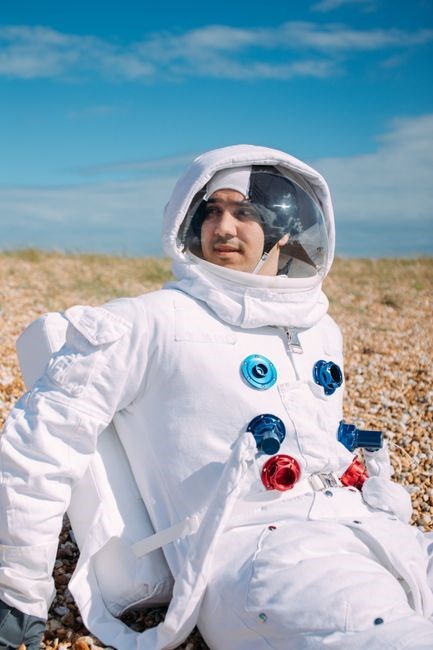
Long-term Career Transition
After missions, astronauts leverage space expertise for Earth roles, pursuing STEM careers, consulting, or academia. They attend workshops, network with industry, and use NASA’s alumni programs to transition smoothly.!
Leveraging Space Experience for Earth Careers

Spaceflight equips astronauts with unique problem‑solving, teamwork, and technical skills that translate into high‑impact roles on Earth. NASA’s alumni network connects returnees with industry leaders, facilitating internships and full‑time positions in aerospace, defense, and data science. Many astronauts pursue advanced degrees, using their mission data to publish research on materials science, human physiology, and robotics, thereby opening academic appointments. Corporate partnerships—such as those with SpaceX, Boeing, and Lockheed Martin—offer consulting roles that leverage in‑orbit experience to improve product design and safety protocols. Additionally, astronauts become ambassadors for STEM, delivering talks at universities, participating in outreach programs, and serving on advisory boards for emerging space‑tech startups. By combining mission‑derived expertise with formal education and networking, former spacefarers can transition into leadership positions that shape the next generation of exploration and technology development. They now guide aspiring astronauts toward new horizons now.
Educational Opportunities for Returnees
Returnees can enroll in NASA’s Post‑Mission Education Initiative, which offers tuition waivers for master’s and Ph.D. programs in aerospace, biomedical engineering, and data analytics. The Space Grant Consortium partners with universities to provide research fellowships that let astronauts contribute to planetary science projects while earning academic credit. Many agencies, including ESA and JAXA, run joint scholarship programs that reward interdisciplinary studies in robotics, materials science, and human factors. Online platforms like Coursera and edX host courses co‑created with NASA scientists, enabling astronauts to deepen expertise in orbital mechanics and life‑support systems without leaving home. Industry‑led bootcamps in propulsion, AI, and cybersecurity are also available, often funded by defense contractors seeking the unique problem‑solving mindset cultivated in space. Finally, mentorship networks pair astronauts with faculty advisors who help tailor curricula to align mission experience with future career goals, ensuring a smooth transition from orbit to academia. This path empowers future missions daily
Health Monitoring and Research Contributions
Post‑flight health monitoring uses wearable sensors, MRI, and blood panels to track bone density, muscle mass, and cardiovascular function. Data feed into longitudinal studies, informing countermeasure design and policy updates!
Ongoing Medical Follow-up Studies
After each lunar sortie, astronauts enter a structured post‑flight surveillance program that blends clinical visits, remote telemetry, and advanced imaging. Within 24 hours of re‑entry, physicians perform baseline vitals, complete a 12‑lead ECG, and draw blood for cytokine profiling. Over the next 30 days, participants wear multi‑sensor suits that record heart rate variability, orthostatic tolerance, and muscle activation patterns during daily tasks. Every month, high‑resolution dual‑energy X‑ray absorptiometry (DXA) scans assess bone mineral density changes, while magnetic resonance imaging (MRI) tracks muscle fiber integrity and brain microstructural adaptations. These data feed into a centralized NASA database, where machine‑learning algorithms flag deviations from normative recovery curves. Findings are shared quarterly with the International Space Agency consortium, enabling real‑time updates to pre‑flight conditioning protocols and in‑flight countermeasure prescriptions. Longitudinal follow‑ups at 6, 12, and 24 months capture late‑onset osteopenia, neurocognitive shifts, and cardiovascular remodeling, ensuring that every returnee contributes to a growing evidence base that safeguards future explorers.Continuous data informs policy daily.Ongoing care.
Data Sharing with Scientific Community
After each mission, NASA archives comprehensive datasets—biometric logs, neuroimaging, musculoskeletal metrics, and behavioral surveys—into the Planetary Health Repository. Researchers worldwide access de‑identified records through a secure portal, enabling cross‑disciplinary analyses of microgravity’s impact on human physiology. Open‑source algorithms via GitHub allow validate and improvement of predictive models for bone loss and cardiovascular deconditioning. Annual symposia convene astronauts, clinicians, and data scientists to present findings, discuss methodological refinements, and propose new countermeasure trials. Collaborative grants fund joint studies data with terrestrial cohorts, illuminating shared pathways of musculoskeletal decline. Public dashboards visualize real‑time trends, fostering transparency and inspiring citizen science initiatives. Embedding data stewardship into planning, NASA ensures every returnee’s experience accelerates science discovery and informs future exploration strategies!! Data flow.
