music theory cheat sheet pdf

Overview of Music Theory Cheat Sheet PDFs
Music theory cheat sheet PDFs offer concise, printable guides covering key signatures, intervals, modes, chords, and rhythm․ Available in PDF, TXT, and Word, they’re free to download, print, or view online, making theory quick to reference anywhere․ Quick study guide! Use it!!

Core Content Sections
Core content sections provide the essential building blocks of music theory cheat sheets․ They cover foundational concepts such as key signatures, intervals, modes, chord construction, inversions, rhythm, dynamics, and ear‑training tools, all in a compact, user‑friendly format․!

Key Signatures (Major & Minor)
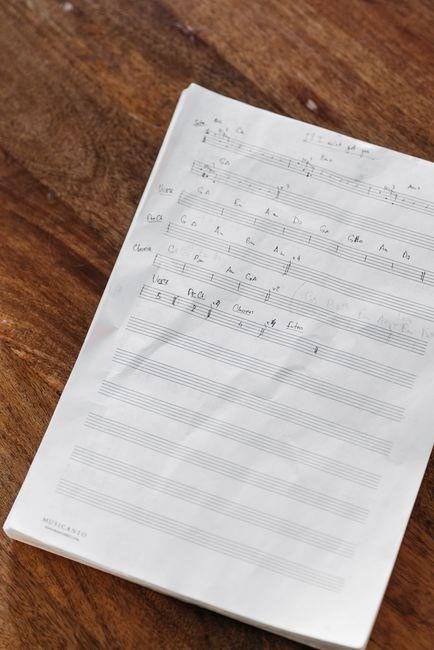
Key signatures are the cornerstone of any music theory cheat sheet, indicating the sharps or flats that define a piece’s tonal center, whether major or minor․ A quick reference table lists all 15 major keys from C major (no accidentals) to C♯ major (seven sharps), and the parallel minor keys from A minor (no accidentals) to C♯ minor (seven sharps)․ The table also shows the relative major for each minor key, enabling instant transposition․ The cheat sheet uses the circle of fifths diagram to illustrate the logical progression of key signatures: each step clockwise adds a sharp, each step counter‑clockwise adds a flat․ This visual aid helps students remember that G major has one sharp (F♯), D major has two (F♯, C♯), and so on․ For minor keys, the diagram highlights the relative major, so that A minor shares the same key signature as C major, E minor with G major, and B♭ minor with D♭ major․ The cheat sheet also includes a quick‑look list of the most common key signatures used in popular music, such as G major, D major, A major, E major, and their relative minors․ By presenting the information in a compact, printable format, the PDF allows musicians to glance at the key signature before a rehearsal or performance, ensuring accurate transposition and harmonic analysis․ The layout is designed for clarity: bold headings, numbered lists, and color‑coded accidentals․ This makes the cheat sheet an indispensable tool for students, composers, and performers alike, providing instant reference to the essential building blocks of tonal music․ It also notes that key signatures can be transposed by adding or removing accidentals, and that the relative minor is always the sixth degree of the major scale․ The cheat sheet’s design emphasizes quick lookup, with each key signature displayed in a separate row, making it easy to compare and memorize․ The PDF version is lightweight, ensuring fast download and easy printing for classroom use or personal study․!
Intervals (Basic & Extended)
Intervals form the backbone of melodic and harmonic language․ The cheat sheet PDF lists the 12 chromatic semitone steps and groups them into basic intervals: minor second, major second, minor third, major third, perfect fourth, tritone (augmented fourth/diminished fifth), perfect fifth, minor sixth, major sixth, minor seventh, major seventh, and octave․ Each interval is shown with its name, number of semitones, and a visual example on the staff․ Extended intervals (ninth, eleventh, thirteenth) are added with their corresponding semitone counts and common chord extensions․ The table also indicates whether an interval is perfect, major, minor, augmented, or diminished, and provides the interval symbol (e․g․, 3m, 3M, 4P)․ A quick reference chart shows the interval relationships for major and minor scales, helping students identify the distance between scale degrees․ The cheat sheet includes a diagram of the circle of fifths to illustrate how intervals relate to key signatures․ A note on the tritone explains its dual spelling as an augmented fourth or diminished fifth, and its role in tension․ The PDF uses bold headers, numbered lists, and color‑coded boxes for easy scanning․ It is ideal for quick lookup during practice, composition, or theory exams․ The layout is printable and lightweight, ensuring fast download and immediate use on any device․! Keep practicing now․
Modes of the Major Scale
On a music theory cheat sheet PDF, the modes of the major scale are presented as a concise, color‑coded table that lists each mode’s name, starting degree, interval pattern, and typical harmonic function․ The seven modes—Ionian, Dorian, Phrygian, Lydian, Mixolydian, Aeolian, and Locrian—are shown with their unique interval sequences: Ionian (W‑W‑W‑H‑W‑W‑W‑H), Dorian (W‑H‑W‑W‑W‑H‑W), Phrygian (H‑W‑W‑W‑H‑W‑W), Lydian (W‑W‑W‑H‑W‑W‑H), Mixolydian (W‑W‑H‑W‑W‑H‑W), Aeolian (W‑H‑W‑W‑H‑W‑W), Locrian (H‑W‑W‑H‑W‑W‑W)․ Each mode is paired with a short example of a diatonic triad and a common chord progression that highlights its characteristic sound․ The cheat sheet also includes a quick reference to the circle of fifths, showing how each mode relates to key signatures and relative minor keys․ A note explains that the Ionian mode is identical to the major scale, while the Aeolian mode corresponds to the natural minor scale․ The layout uses bold headings, numbered lists, and a small icon for each mode, making it easy to scan during practice or composition․ This section is ideal for students who need a fast lookup of modal theory without the clutter of lengthy explanations․ Keep this PDF handy for instant reference during improvisation or analysis sessions․ Use this resource to identify interval relationships, build chord progressions, and enhance improvisational fluency now․
Chord Construction (Triads, Seventh Chords)
On a music theory cheat sheet PDF, the chord construction section provides a step‑by‑step guide to building triads and seventh chords from any root note․ It lists the interval formulas: triads use root‑third‑fifth (major: M3, P5; minor: m3, P5; diminished: m3, d5; augmented: M3, A5)․ Seventh chords add a seventh interval: major seventh (M3, P5, M7), dominant seventh (M3, P5, m7), minor seventh (m3, P5, m7), half‑diminished (m3, d5, m7), fully diminished (m3, d5, dim7)․ The PDF shows each chord type in a two‑column table, with the first column listing the chord symbol (e․g․, Cmaj7, Dm7♭5) and the second column spelling out the notes (C‑E‑G‑B, D‑F‑A‑C)․ It also includes a quick reference to common inversions, indicating the bass note for each inversion (e․g․, C/E, C/G, C/B)․ A separate mini‑chart highlights the most frequently used seventh chords in jazz and pop, such as ii‑V‑I progressions․ This cheat sheet uses bold fonts for root notes and italics for altered tones, making it easy to spot extensions or alterations at a glance․ This compact layout allows musicians to instantly identify chord quality, build progressions, and analyze harmonic structure during rehearsal or performance․ Keep the PDF handy for rapid chord lookup and to reinforce theoretical concepts in real‑time playing․
Use this PDF to quickly reference chord structures during practice․
Chord Inversions and Voicings
Inversions and voicings are essential for smooth voice leading and harmonic variety․ The cheat sheet PDF presents each triad and seventh chord in root position, first inversion, second inversion, and third inversion (for seventh chords)․ For a C major triad, the PDF lists: C‑E‑G (root), E‑G‑C (first), G‑C‑E (second)․ For a Cmaj7, it shows: C‑E‑G‑B (root), E‑G‑B‑C (first), G‑B‑C‑E (second), B‑C‑E‑G (third)․ Voicing options are grouped by common keyboard patterns: close‑voiced (adjacent notes), spread‑voiced (root and fifth separated by an octave), and dropped‑bass (bass note moved down an octave); The sheet also includes a quick reference to common jazz voicings such as 9th, 11th, and 13th extensions, with suggested note choices to avoid dissonant clashes․ A side panel highlights the “voice leading” rule that each voice moves by the smallest interval possible, illustrated with arrows between chord symbols․ Additionally, the PDF offers a “voicing chart” that shows how to stack thirds for any key, allowing musicians to transpose voicings quickly․ This concise visual guide helps performers and composers apply inversions and voicings in real‑time, enhancing harmonic texture and reducing awkward hand stretches on the piano or guitar․ Keep the PDF handy for instant reference during rehearsals, jam sessions, or composition sessions․ Use this cheat sheet to master chord inversions quickly and confidently․

Rhythm and Meter (Note Values, Time Signatures, Tempo)
Rhythm and meter are the backbone of any musical score, and the cheat sheet PDF condenses the most common note values, time signatures, and tempo markings into a single, easily readable page․ The note‑value section lists whole, half, quarter, eighth, sixteenth, thirty‑second, and sixty‑fourth notes, each with its corresponding stem, flag, and beam layout, so you can instantly identify the rhythmic value of any symbol․ The time‑signature panel shows the most frequently used signatures—4/4, 3/4, 2/4, 6/8, 12/8, 9/8, 5/4, 7/8, and 11/8—alongside their beat groupings and how many beats each measure contains․ Tempo markings are grouped by Italian terms and their metronome indications: Largo (40–60 bpm), Adagio (66–76 bpm), Andante (76–108 bpm), Moderato (108–120 bpm), Allegro (120–168 bpm), Vivace (168–176 bpm), Presto (168–200 bpm), and Accelerando/ritardando cues․ The sheet also includes a quick reference to common tempo changes—rit․ (ritardando), accelerando, fermata, and tempo rubato—so you can adjust the pulse without losing sight of the underlying meter․ A side column highlights the relationship between rhythmic subdivisions and metric accents, with visual examples of syncopation and dotted rhythms․ This compact,visual guide is perfect for students,performers,and composers who need a reliable, instant reference for rhythmic accuracy and tempo control․ Keep the PDF on your desk or tablet for on‑the‑go practice sessions, rehearsals, or live performances․ Apply these fundamentals to anygenre for instantclarity! today!!!
Dynamics and Articulations
Dynamics and articulations are essential for shaping musical expression․ The cheat sheet PDF presents the most common dynamic markings—pp, p, mp, mf, f, ff, and ff—alongside their Italian descriptions (pianissimo, piano, mezzo‑piano, mezzo‑forte, forte, fortissimo) and typical volume ranges․ A quick reference table shows how to transition between dynamics with crescendo (cres․), diminuendo (dim․), and sforzando (sfz) accents․ Articulations are grouped into staccato (short, detached), legato (smooth, connected), marcato (strong, accented), tenuto (hold, slight emphasis), and accents (´)․ The sheet also lists slurs, ties, and fermatas, indicating how to sustain or pause notes․ Visual icons illustrate each marking, with examples of how they affect phrasing and tempo․ The cheat sheet includes a section on dynamic shaping across a phrase: crescendo to forte, decrescendo to piano, and the use of accents to highlight rhythmic motifs․ It also covers the use of crescendo/decrescendo within a single measure, with a simple notation example․ This compact reference is ideal for students, performers, and composers who need a quick, reliable guide to dynamics and articulations in any musical context․ Keep it handy for rehearsals, performances, and composition sessions․ Enjoy expressive playing today! Use it to sharpen rhythmic precision, enhance contrast, and master expressive nuance!!!․
Solfege and Ear Training
Solfege provides a mnemonic system that anchors pitch relationships in a scale․ The major scale uses the syllables DO, RE, MI, FA, SOL, LA, TI, DO, each representing a step in the diatonic sequence․ By assigning these syllables to the corresponding keyboard or staff positions, students can internalize interval sizes and scale degrees․ The guide includes a series of graded drills: from simple single‑note identification to complex melodic contour recognition․ It also offers rhythmic solfege, where syllables are mapped to rhythmic values, helping performers lock in meter while singing․ The PDF highlights key ear‑training techniques: relative pitch matching, interval recognition, chord quality identification, and melodic dictation․ Practitioners can use the sheet to practice transcribing short motifs, then verify accuracy by singing back the correct solfege․ The resource emphasizes active listening, encouraging users to repeat phrases aloud, internalize the sound, and then reproduce it from memory․ By integrating solfege with ear‑training drills, the cheat sheet fosters a holistic approach to musical perception, making it an indispensable tool for students, teachers, and performers alike․ Keep this sheet handy during practice sessions to reinforce pitch accuracy and rhythmic precision․ Enjoy the journey to sharper hearing and confident singing! Use this sheet to sharpen training and boost play!!
Formats and Accessibility
Music theory cheat sheets are available in PDF, TXT, and Word formats, ensuring compatibility across devices․ Users can view them online, download for offline use, or print directly․ Free sources offer instant access, making theory reference quick and accessible anywhere for student and teachers․
PDF, TXT, Word Versions
Music theory cheat sheets are commonly distributed in PDF, TXT, and Word formats, each serving distinct user preferences․ PDF files maintain the original layout, preserving the precise positioning of key signatures, chord symbols, and rhythmic notation, which is essential for accurate study and performance․ They are ideal for printing, emailing, or embedding in digital portfolios because the design remains consistent across operating systems and devices․ TXT versions strip away visual formatting, offering a plain‑text alternative that is lightweight and easily searchable․ This format is especially useful for quick reference on mobile devices, for integration into text‑based music notation programs, or for accessibility tools that read aloud the content․ Word documents provide full editing capabilities, allowing users to modify text, adjust spacing, or add annotations directly within the file․ This is advantageous for teachers preparing lesson plans, for musicians customizing chord progressions, or for anyone who wants to tailor the sheet to specific performance needs․ All three formats are typically available for free download from educational repositories, ensuring that students, educators, and performers can access the material without cost․ The choice between PDF, TXT, and Word depends on the intended use: PDF for fidelity and print‑ready references, TXT for portability and quick lookup, and Word for flexibility and collaborative editing․ When choosing a format, consider file size, compatibility with your software, and the level of detail required․ PDF files are typically larger but preserve complex notation and color coding, making them suitable for advanced harmonic analysis․ TXT files, being plain text, are minimal in size and can be edited with any text editor, but they lack visual cues such as staff lines or key signature symbols․ Word documents strike a balance, offering both editable text and the ability to embed images or custom styles, which can be useful for creating personalized study guides․ Additionally, many platforms allow direct conversion between these formats, so users can start with a PDF, extract the text into a TXT file for quick lookup, or import the content into Word for annotation․ This flexibility ensures that musicians, composers, and educators can adapt the cheat sheet to their workflow, whether they are rehearsing in a studio, teaching a class, or performing live on stage․ In practice, many educators bundle the PDF and Word versions together, providing a printable reference and an editable template in one download․ Students often prefer the PDF for quick reference during exams, while teachers use the Word file to annotate specific chord progressions or to highlight key changes․ Some musicians also convert the TXT file into a custom flashcard set for ear training, leveraging the plain‑text format to create spaced repetition cards․ The ability to switch between formats without loss of information makes the cheat sheet an indispensable tool across learning environments, from beginner workshops to advanced composition studios․ Finally, the availability of these formats on multiple platforms—Windows, macOS, Linux, and mobile operating systems—ensures that learners can access the cheat sheet regardless of their preferred device․ Whether using a desktop computer for detailed study or a tablet during a rehearsal, the formats adapt seamlessly, allowing musicians to keep the essential theory at hand wherever they go․ By providing both static and interactive options, the cheat sheet becomes an indispensable companion for every practice session․ Enhancing learning worldwide for all ages daily․Today
Online Reading and Printing Options
Many free music theory cheat sheet PDFs are hosted on educational websites, allowing instant online viewing without downloading․ Users can scroll through neatly formatted pages that display key signatures, intervals, modes, chord symbols, and rhythmic notation․ The online format is especially handy for quick reference during rehearsals or lessons, as it eliminates the need to print a separate copy․ When a printed version is preferred, most sites provide a high‑resolution PDF download that can be printed on standard office paper or a music‑sheet printer․ The PDF preserves all visual cues, such as staff lines, note heads, and dynamic markings, ensuring that the printed sheet matches the on‑screen layout․ Some platforms also offer a “print‑friendly” view, stripping away navigation bars and ads to give a clean, single‑page output․ For those who prefer a lightweight option, a TXT version can be printed directly from a text editor, though it lacks the graphical staff․ Additionally, many resources allow users to customize print settings—choosing page orientation, scaling, or adding a header with the sheet title—so the final printout can be tailored to the musician’s needs․ Whether you’re a student, teacher, or performer, the combination of online reading and versatile printing options makes the cheat sheet an indispensable tool for mastering music theory on the go․
Free Download Sources

Free music theory cheat sheets are widely available across several reputable online platforms․ Popular sites such as MusicTheory․net and Teoria․com host downloadable PDFs that cover key signatures, intervals, modes, chord construction, and rhythm fundamentals․ Many universities and conservatories also provide open‑access resources; for example, the University of Washington Music Department offers a concise PDF guide that can be downloaded directly from their website․ In addition, community forums like r/MusicTheory frequently share links to user‑generated cheat sheets, often in both PDF and Word formats․ These community‑curated documents are typically updated to reflect current pedagogical standards and include interactive elements such as clickable chord diagrams․ For those who prefer a more visual approach, the 8Notes․com library contains a range of printable cheat sheets, each accompanied by audio examples that help reinforce the theoretical concepts; Finally, many free‑download repositories, such as Free‑Ebooks․net, host a variety of music theory PDFs that can be accessed without registration․ By leveraging these diverse sources, musicians can quickly obtain high‑quality reference materials that suit their learning style and performance needs․ These PDFs are updated yearly for modern teachingnow․
