free geodesic dome plans pdf

Discover the world of geodesic domes! Explore readily available, free PDF plans for building your own unique structure, offering a cost-effective path to innovative design.
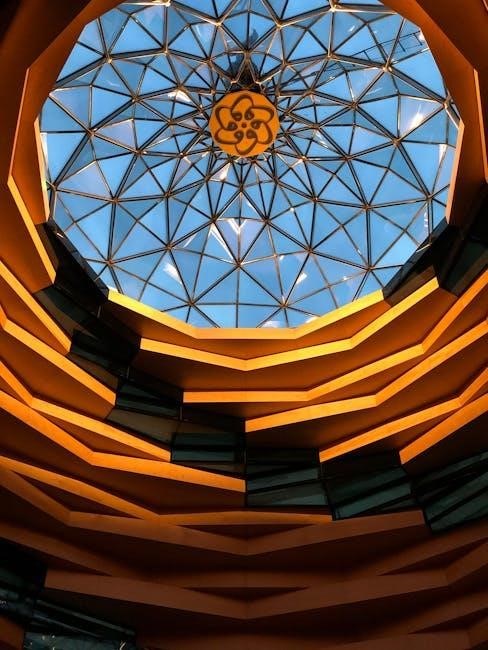
What is a Geodesic Dome?
Geodesic domes are spherical or partial-spherical structures composed of interconnected triangles. This design distributes stress evenly, creating incredibly strong and lightweight buildings. Buckminster Fuller popularized them, envisioning affordable and efficient housing solutions.
Unlike traditional buildings, geodesic domes enclose the largest volume with the least surface area, reducing material costs and energy consumption. They’re constructed using struts (the triangular edges) and connectors (where the struts meet). The beauty lies in their modularity – you can scale them up or down relatively easily.
Free geodesic dome plans, often found in PDF format, provide the necessary measurements and instructions to build these fascinating structures. These plans detail the required strut lengths, connector angles, and assembly steps, empowering builders of all skill levels to create their own dome.
Why Choose a Geodesic Dome? (Benefits & Applications)
Geodesic domes offer numerous advantages. Their inherent strength allows them to withstand severe weather conditions – heavy snow, strong winds, and even earthquakes. The efficient design minimizes material usage, making them a cost-effective building option, especially when utilizing free plans.
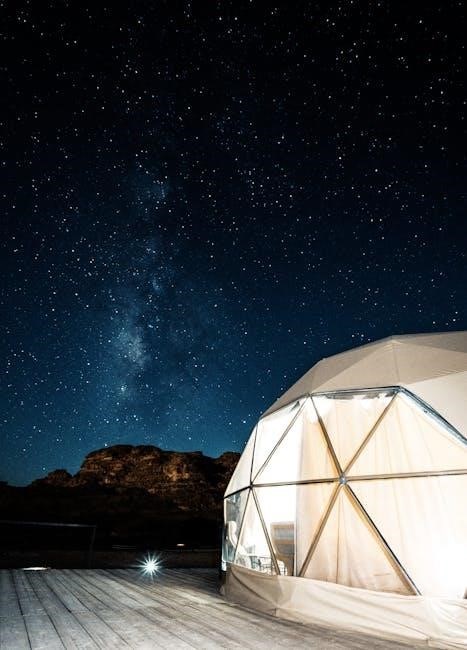
Applications are incredibly diverse! They’re used as homes, greenhouses, event spaces, workshops, and even temporary shelters. The open, column-free interior provides flexible space, ideal for various purposes. Furthermore, their unique aesthetic appeal makes them a striking architectural statement.
Accessing free geodesic dome plans in PDF format lowers the barrier to entry, enabling DIY enthusiasts and builders to explore this innovative construction method. Building a dome can be a rewarding project, offering a unique and sustainable structure.
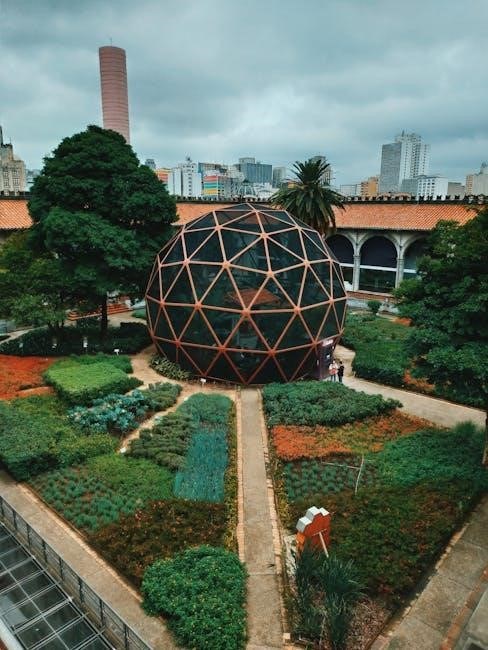
Finding Free Geodesic Dome Plans in PDF Format
Locate downloadable PDF plans online from various websites and communities, offering diverse dome sizes and complexities for your building project.
Popular Websites Offering Free Plans
Numerous online resources provide free geodesic dome plans in PDF format, catering to various skill levels and project ambitions. Websites dedicated to DIY construction and sustainable living frequently host these plans, fostering a community of builders. Dedicated dome-building sites often offer a curated selection, categorized by frequency and size.
Instructables and similar platforms showcase user-submitted projects, including detailed dome plans with accompanying build logs and photos. These resources are invaluable for visualizing the construction process and learning from others’ experiences. Pinterest serves as a visual discovery engine, linking to various plans hosted on different websites. Always verify the source and completeness of plans found on community-driven platforms. Careful research ensures a successful and safe build.
Understanding Plan Variations (Frequency, Strut Lengths)
Geodesic dome plans differ significantly based on “frequency,” which dictates the number of triangles forming the dome’s surface. Higher frequencies (like 4V) result in more triangles, a smoother sphere, and increased structural complexity. Lower frequencies (like 2V) are simpler to build but less spherical.
Strut lengths are crucial; plans specify precise measurements for each type of strut used in the dome’s construction. Variations in strut lengths directly impact the dome’s geometry and stability. PDF plans typically include strut charts or cutting lists. Understanding these variations is vital for accurate material preparation and assembly. Incorrect strut lengths compromise the dome’s integrity. Always double-check calculations and measurements before cutting materials.
License and Usage Rights of Free Plans
When utilizing free geodesic dome plans in PDF format, carefully review the associated license and usage rights. Many plans are offered under Creative Commons licenses, specifying permitted uses like non-commercial building. Some may require attribution to the original designer.
Commercial use, modification, or redistribution often requires explicit permission. Ignoring these terms can lead to legal issues. Always check for disclaimers regarding structural integrity and building code compliance. Free plans are typically provided “as is,” without warranties. Builders assume responsibility for ensuring the dome’s safety and adherence to local regulations. Understanding these rights protects both the designer and the builder.
Types of Geodesic Domes & Corresponding Plans
Explore diverse dome designs! 3V, 4V, and 2V plans are commonly available as free PDFs, each offering varying complexity and structural characteristics.
3V Dome Plans – A Common Starting Point
For beginners venturing into geodesic dome construction, 3V dome plans represent an excellent and frequently accessible starting point. These plans, often found as free PDF downloads online, utilize three different strut lengths, simplifying the cutting and assembly process compared to higher-frequency domes. The relative simplicity doesn’t compromise structural integrity; 3V domes offer a robust and stable framework suitable for various applications, from greenhouses to shelters.
Numerous websites dedicated to DIY construction and sustainable living host these plans, making them easily obtainable. The 3V configuration balances ease of construction with a visually appealing spherical shape. When searching for free 3V dome plans, be sure to verify the source and review the included diagrams carefully to ensure accuracy and clarity before commencing your build. This foundational design provides a solid learning experience for future, more complex dome projects.
4V Dome Plans – Increased Complexity & Strength
Stepping beyond the simplicity of 3V designs, 4V geodesic dome plans introduce increased complexity, but also deliver enhanced structural strength and a more refined spherical appearance. These plans, available as free PDF downloads from various online resources, require four distinct strut lengths, demanding greater precision during cutting and assembly. This added intricacy results in a dome capable of withstanding heavier loads and larger spans.
While more challenging for novice builders, the benefits of a 4V dome often outweigh the difficulty. The increased frequency creates a smoother, more geometrically accurate sphere. When sourcing free 4V dome plans, prioritize those with detailed diagrams, clear instructions, and ideally, a materials list. Careful planning and accurate execution are crucial for a successful 4V dome build, offering a rewarding and durable structure.
2V Dome Plans – Simpler Construction
For those new to geodesic dome building, 2V dome plans represent an excellent starting point due to their inherent simplicity. These plans, frequently found as free PDF downloads online, utilize only two different strut lengths, significantly reducing cutting errors and streamlining the assembly process. This makes them ideal for first-time builders or those seeking a quicker, less demanding project.
Despite their simplicity, 2V domes still offer a visually appealing and structurally sound enclosure. However, it’s important to note that they exhibit a more faceted appearance compared to higher-frequency domes like 3V or 4V. When selecting a free 2V plan, ensure it includes clear diagrams and a comprehensive materials list. Prioritize plans with detailed instructions to guarantee a successful and enjoyable building experience.
Materials Needed for Geodesic Dome Construction
Essential materials include struts (wood, metal, or PVC), connectors (hubs or plates), and covering materials like polycarbonate – all sourced based on your chosen plans.
Strut Materials (Wood, Metal, PVC)
Selecting the right strut material is crucial for your geodesic dome’s stability and longevity. Wood, often a cost-effective choice, is readily available and easy to work with, but requires weather treatment for outdoor use. Metal struts, like steel, offer superior strength and durability, ideal for larger domes or areas with heavy snow loads, though they can be more challenging to cut and connect.
PVC provides a lightweight and weather-resistant option, particularly suitable for smaller, temporary structures. However, PVC’s strength is limited compared to wood or metal. Many free geodesic dome plans PDF resources will specify recommended strut materials based on the dome’s size and intended use. Consider factors like cost, weight, strength, and your construction skill level when making your decision. Always adhere to the plan’s specifications for optimal results and safety.
Connector Options (Hubs, Plates, Direct Connections)
Connecting the struts is a pivotal aspect of geodesic dome construction. Hubs, often metal or plastic, provide a central point for multiple struts to converge, simplifying assembly but potentially adding cost. Plates, typically flat pieces with pre-drilled holes, offer a more economical alternative, requiring precise strut cutting and bolting.
Direct connections, involving overlapping and fastening struts directly to each other, are the most basic method, suitable for smaller domes and requiring careful angle calculations. Many free geodesic dome plans PDF will detail the preferred connector type and provide specific instructions. The choice depends on your budget, desired dome size, and construction expertise. Ensure the connectors are robust enough to withstand the dome’s structural loads and environmental factors for a safe and lasting build.
Covering Materials (Polycarbonate, Canvas, Wood Panels)
Selecting the right covering material dramatically impacts a geodesic dome’s functionality and aesthetic. Polycarbonate panels offer excellent light transmission, durability, and weather resistance, ideal for greenhouses or sunrooms, though they can be pricier. Canvas provides a more affordable and flexible option, suitable for temporary structures or artistic installations, but requires regular treatment for waterproofing and UV protection.
Wood panels offer a natural look and good insulation, but necessitate careful sealing to prevent water damage. Many free geodesic dome plans PDF suggest suitable materials based on the dome’s intended use and climate. Consider factors like cost, weight, insulation value, and ease of installation when making your choice. Proper covering ensures a comfortable and protected interior space.

Construction Techniques & Considerations
Precise strut cutting and assembly are crucial for dome stability. Waterproofing is essential, and following free geodesic dome plans PDF ensures structural integrity.
Cutting Struts to Accurate Lengths
Achieving precision when cutting struts is paramount for a successful geodesic dome build, especially when utilizing free geodesic dome plans PDF. These plans detail specific strut lengths, often requiring multiple different sizes depending on the dome’s frequency. Employing a miter saw with a stop block is highly recommended to ensure consistent cuts.
Double-check all measurements before cutting, as even small errors accumulate and can significantly impact the dome’s structural integrity. Label each strut clearly after cutting to avoid confusion during assembly. Consider creating a cutting jig for repetitive cuts, enhancing accuracy and efficiency. Remember that the quality of your cuts directly correlates to the dome’s overall stability and aesthetic appeal. Accurate lengths are non-negotiable!

Assembling the Dome Structure
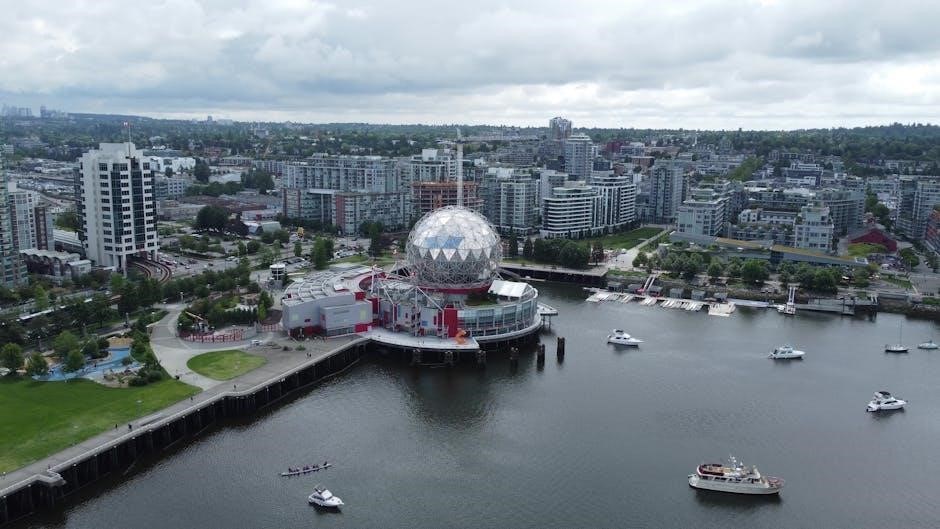
Following your free geodesic dome plans PDF, assembly typically begins with creating pentagons or hexagons, the fundamental building blocks. Connect struts using chosen hubs or connectors, ensuring a snug but not overly tight fit – allowing for slight adjustments. Work on a level surface to maintain structural integrity as you build upwards.
Progress systematically, referencing the plan frequently to confirm correct strut placement. Temporary bracing may be needed during initial stages to prevent collapse. As sections grow, enlist assistance for lifting and positioning heavier components. Patience is key; geodesic dome assembly requires meticulous attention to detail. Regularly check alignment and symmetry to guarantee a stable and visually appealing final structure.
Waterproofing and Weather Resistance
After assembling your dome based on free geodesic dome plans PDF, robust waterproofing is crucial. Begin by sealing all strut connections and hub junctions to prevent water ingress. Consider a breathable membrane beneath your chosen covering material – polycarbonate, canvas, or wood – to manage condensation. Overlap covering panels generously, securing them tightly to the frame.
For enhanced weather resistance, apply a waterproof sealant along seams and edges. Ensure proper drainage around the dome’s base to divert rainwater. Regularly inspect the covering for tears or damage, promptly addressing any issues. A well-sealed and maintained dome will withstand various weather conditions, providing a durable and comfortable shelter.
Resources for Geodesic Dome Builders
Utilize online forums, YouTube tutorials, and specialized software to enhance your build, leveraging the knowledge gained from free geodesic dome plans PDF.
Online Forums and Communities
Engage with vibrant online communities dedicated to geodesic dome construction! These forums are invaluable resources for builders utilizing free geodesic dome plans PDF. You’ll find experienced individuals readily sharing advice, troubleshooting common issues, and offering modifications to existing plans.
Benefit from collective knowledge regarding material selection, construction techniques, and even legal considerations. Many forums host dedicated threads specifically for discussing free plans, allowing you to compare notes with others attempting similar builds.
Search for groups on platforms like Reddit (r/geodesicdome), Facebook, and dedicated dome-building websites. Don’t hesitate to ask questions – the community thrives on helping newcomers successfully realize their dome projects. Sharing your progress and photos is also encouraged, fostering a collaborative learning environment.
YouTube Tutorials and Build Logs
Visualize the construction process through a wealth of YouTube tutorials! Many builders document their journeys using free geodesic dome plans PDF, creating detailed build logs that are incredibly helpful for beginners. These videos often demonstrate crucial techniques, from cutting struts accurately to assembling the dome’s framework.
Search for channels specifically focused on geodesic domes or those featuring DIY construction projects. Pay attention to videos that showcase the specific plan you’re using, as variations exist.
Benefit from seeing real-world applications of the plans, identifying potential challenges, and learning from others’ mistakes. Build logs provide a chronological record of the entire process, offering valuable insights and inspiration. Don’t underestimate the power of visual learning when tackling a project like this!
Software for Dome Design and Calculation
Enhance your understanding and customization of free geodesic dome plans PDF with specialized software. While plans provide a starting point, software allows for precise calculations of strut lengths, connector angles, and material quantities, minimizing waste and ensuring structural integrity.
Explore options ranging from free online dome calculators to more sophisticated 3D modeling programs. These tools can help you visualize the dome in different environments and experiment with variations in frequency and size.
Utilize software to adapt plans to your specific needs, accounting for local weather conditions and desired features. Accurate calculations are crucial for a successful build, and software streamlines this process, offering a significant advantage over manual methods.

Advanced Geodesic Dome Concepts
Delve into dome frequency, surface area calculations, and variations like partial domes – expanding beyond basic free geodesic dome plans PDF for complex builds.
Dome Frequency and its Impact on Complexity
Understanding dome frequency is crucial when utilizing free geodesic dome plans PDF. Frequency refers to the number of subdivisions on each triangular face of the icosahedron – the base shape. A lower frequency, like 2V or 3V, results in fewer struts and connectors, making construction simpler and requiring less material. These are ideal for beginners exploring free plans.
However, lower frequencies create a more faceted, less spherical dome. Increasing the frequency (4V, 5V, and beyond) dramatically increases the number of components, boosting complexity and demanding precise cuts. While more challenging, higher frequencies yield a smoother, more structurally sound dome, closely resembling a sphere. Free plans are available for various frequencies, but higher ones necessitate greater skill and accuracy. Carefully assess your building experience before tackling a high-frequency project based on free geodesic dome plans PDF.
Calculating Dome Surface Area and Material Quantities
Accurately determining surface area is vital when using free geodesic dome plans PDF for material estimation. Most plans provide strut lengths, but calculating covering material requires more effort. Online dome calculators, often linked from sites offering free plans, simplify this process by inputting dome frequency and radius.
Remember to account for overlap when using covering materials like polycarbonate or canvas. Add extra material (around 10-15%) to compensate for waste during cutting and potential errors. Free plans rarely detail precise quantities; therefore, careful calculation is essential; Consider the connector type – hub-based systems may require slightly more strut length. Thorough planning, utilizing available tools alongside your free geodesic dome plans PDF, prevents costly material shortages and ensures a successful build.
Geodesic Dome Variations (Partial Domes, Domes with Apertures)
Free geodesic dome plans PDF typically showcase full-sphere designs, but modifications are common. Creating partial domes – those less than a hemisphere – requires adjusting strut lengths and angles, often necessitating custom calculations beyond the free plans. Similarly, incorporating apertures (windows, doors) demands careful planning.
Cutting struts to accommodate openings weakens the structure; reinforcement around apertures is crucial. While free plans won’t detail these alterations, online forums (see Resources section) offer guidance from experienced builders. Consider the impact on structural integrity – larger openings require more substantial support. Modifying free geodesic dome plans PDF demands a solid understanding of geodesic principles and potentially, supplemental design software for accurate adjustments and safe construction.
